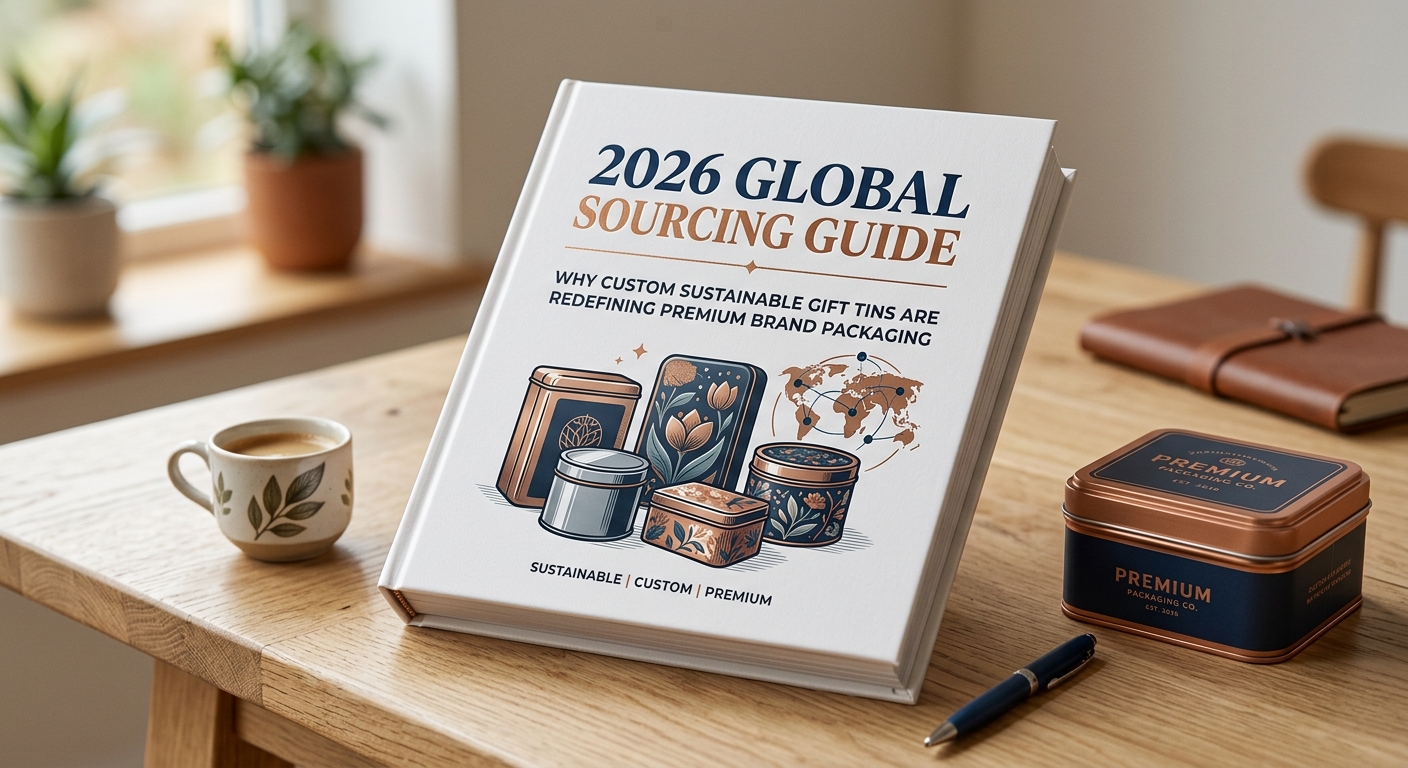
2026 Global Sourcing Guide: Why Custom Sustainable Gift Tins Are Redefining Premium Brand Packaging
Explore the 2026 shift in luxury packaging. Learn how carbon-neutral tinplate, AI-driven customization, and circular design are making sustainable gift tins the primary choice for premium brands worldwide.
The 2026 Shift: Metal as the New Gold in Sustainable Luxury
As we navigate the second quarter of 2026, the global packaging landscape has undergone a definitive transformation. High-end brands are no longer just looking for aesthetic appeal; they are demanding high-performance, carbon-neutral solutions. Custom sustainable gift tins have emerged as the leading alternative to single-use plastics and high-carbon composites, offering a unique blend of durability and prestige.
Why Tinplate Leads the 2026 Circular Economy
In 2026, the circularity of materials is the primary metric for brand value. Tinplate (coated steel) is recognized as a ‘permanent material’ because it can be recycled infinitely without loss of quality. Unlike bio-plastics which require specific industrial composting conditions, metal packaging fits perfectly into the existing global recycling infrastructure, making it the most reliable choice for brands targeting net-zero goals by 2030.
Innovative Features of 2026 Premium Gift Tins
Current manufacturing standards have evolved significantly this year. Today’s premium gift tins are defined by three core technological advancements:
1. AI-Enhanced Precision Customization
The 2026 sourcing model utilizes AI-driven design software to optimize material thickness while maintaining structural integrity. This allows for complex embossing and 3D textures that were previously impossible, providing a tactile experience that reinforces brand luxury.
2. Bio-Based Coatings and VOC-Free Inks
Standard solvent-based lacquers have been phased out. Modern gift tins now feature bio-based protective coatings derived from plant resins. These coatings are BPA-NI (BPA Non-Intent) and comply with the strictest 2026 global safety regulations for food and cosmetic contact.
3. Integrated NFC 2.0 and Digital Passports
Premium packaging in 2026 is ‘smart.’ Every custom tin can now be equipped with an ultra-thin NFC tag or a laser-etched secure QR code. This provides consumers with instant access to the product’s carbon footprint data, authenticity verification, and brand storytelling, bridging the gap between physical and digital engagement.
Strategic Sourcing Benefits for Global Brands
| Feature | Traditional Packaging (Pre-2026) | Sustainable Tin Packaging (2026+) |
|---|---|---|
| Lifecycle Value | Limited (Single use) | High (Collectable & Reusable) |
| Recyclability Rate | Low/Medium (Degradation) | 100% (Permanent Material) |
| Carbon Intensity | High (Plastic/Composite) | Low (Renewable Energy Production) |
| Brand Perception | Functional | Premium & Responsible |
Design Trends Dominating the 2026 Market
As we look toward the 2027 projections, three design aesthetics are dominating the sourcing requests from global luxury hubs:
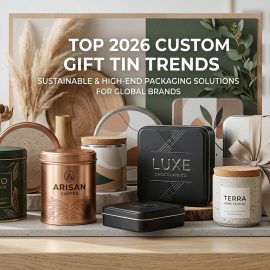
- Neo-Minimalism: Clean lines, matte finishes, and subtle micro-embossing that highlights the raw beauty of the metal.
- Nature-Inspired Textures: Tins that mimic organic patterns like wood grain or stone through advanced haptic printing technologies.
- Modular Utility: Gift tins designed with secondary lives in mind—interlocking systems that allow consumers to repurpose the packaging as home organizers or decor.
Conclusion: Future-Proofing Your Brand
For procurement officers and brand managers in 2026, choosing sustainable gift tins is a strategic investment in brand equity. By moving away from disposable materials and embracing the permanence of metal, companies are meeting the demands of the modern, eco-conscious consumer while ensuring long-term supply chain resilience. The era of ‘disposable luxury’ is over; the era of ‘sustainable prestige’ has arrived.