


Why Custom Tooling Matters in Tin Box Production
In tin box manufacturing, tooling is far more than a one-time setup cost. It is the engineering backbone that transforms flat tinplate into a functional, attractive, and repeatable packaging solution. Every curve, corner radius, hinge position, lid tolerance, and embossed detail depends entirely on tooling precision. Without expertly designed tooling, even the highest-grade tinplate and finest printing cannot deliver a premium final product.
Unlike standard packaging, custom tin boxes often involve unique shapes, special closures, deep embossing, window cut-outs, or complex multi-part assemblies. Each feature requires carefully engineered dies that control metal flow, minimize stress, and maintain dimensional consistency throughout high-volume production. For buyers, this directly impacts product appearance, assembly efficiency, and market perception.
The Critical Role of Tooling in Manufacturing Performance
A tin box is typically produced through multiple stamping stages. Each component—lid, base, inner plug, hinge, or accessory panel—may require separate dies for blanking, drawing, forming, trimming, curling, and embossing. The complexity of the box determines the number of tooling sets required. More intricate designs often involve progressive tooling sequences to ensure material integrity and production efficiency.
Proper tooling design ensures:
- Consistent lid-to-body fit across every production batch
- Precise dimensional tolerances for automated assembly
- Uniform embossing and debossing depth
- Smooth edges free from burrs or sharp corners
- Reduced risk of deformation, warping, or panel distortion
- Stable production speed with minimal downtime
- Long tooling life for cost-effective mass production
Solving Common Industry Pain Points
Many buyers encounter recurring issues when working with inexperienced suppliers: loose lids, inconsistent closure force, uneven embossing, scratched surfaces, edge burrs, or shape distortion after forming. These problems rarely originate from raw material alone. In most cases, they are symptoms of inadequate tooling design, poor die steel selection, insufficient hardening, or limited process validation.
For example, a lid that feels too loose or too tight can severely affect user experience and perceived quality. Achieving the ideal opening and closing force requires exact control of tooling tolerances, spring-back compensation, and forming pressure. Likewise, deep embossing without panel deformation demands advanced die geometry and precise pressure distribution.
Manufacturing Benefits
- Lower rejection rates
- Higher production efficiency
- Reduced machine downtime
- Consistent batch quality
Customer Advantages
- Superior package appearance
- Reliable lid performance
- Enhanced shelf impact
- Long-term cost savings
Our Custom Tooling Development Process
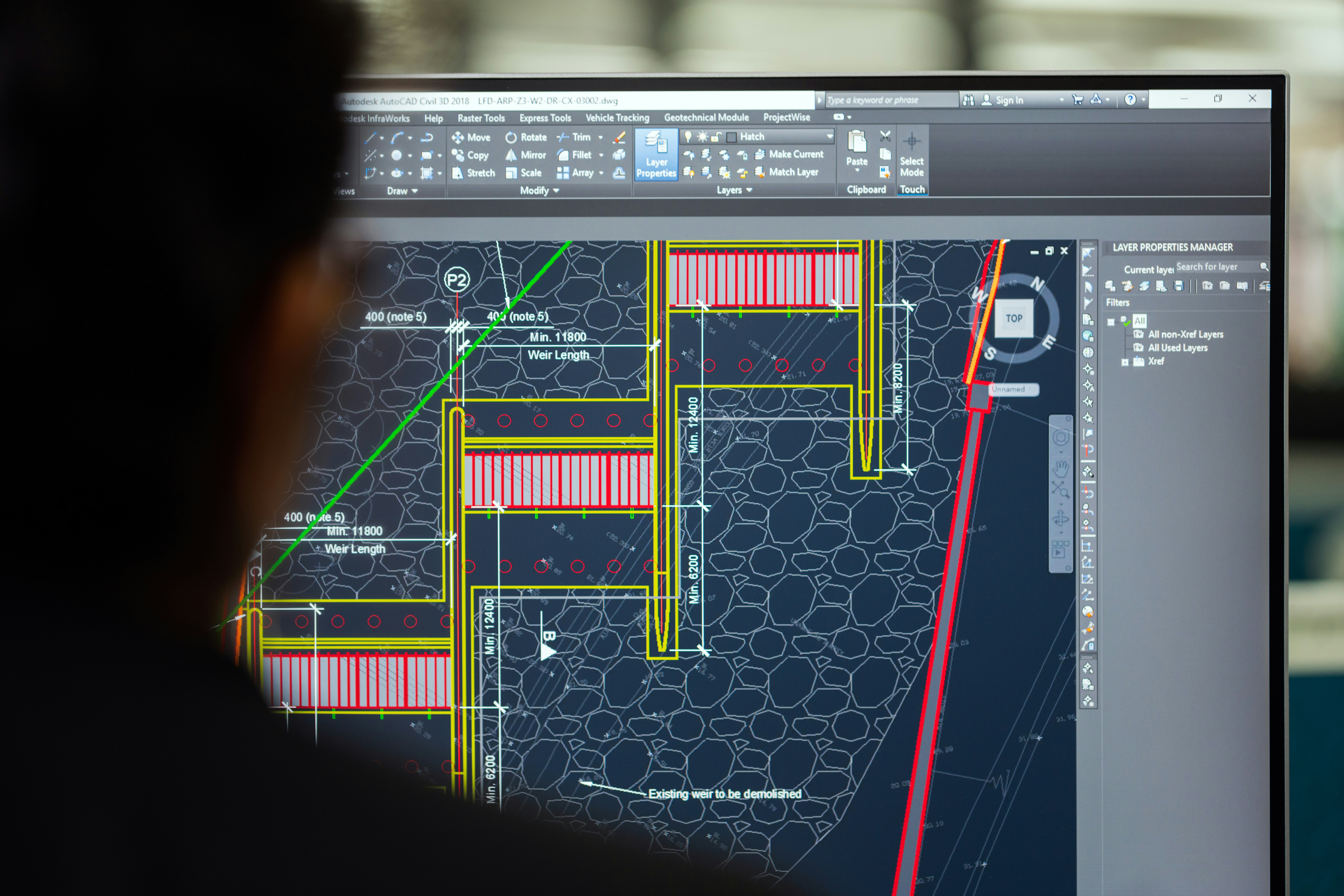
We approach tooling as a strategic engineering project. Every custom tin box begins with a thorough review of product requirements, including dimensions, structural function, artwork integration, filling process, and end-use environment. Our engineering team then develops detailed CAD drawings and 3D structural simulations before manufacturing begins.
Tooling production typically includes:
- Structural feasibility analysis and DFM review
- 3D modeling and tolerance engineering
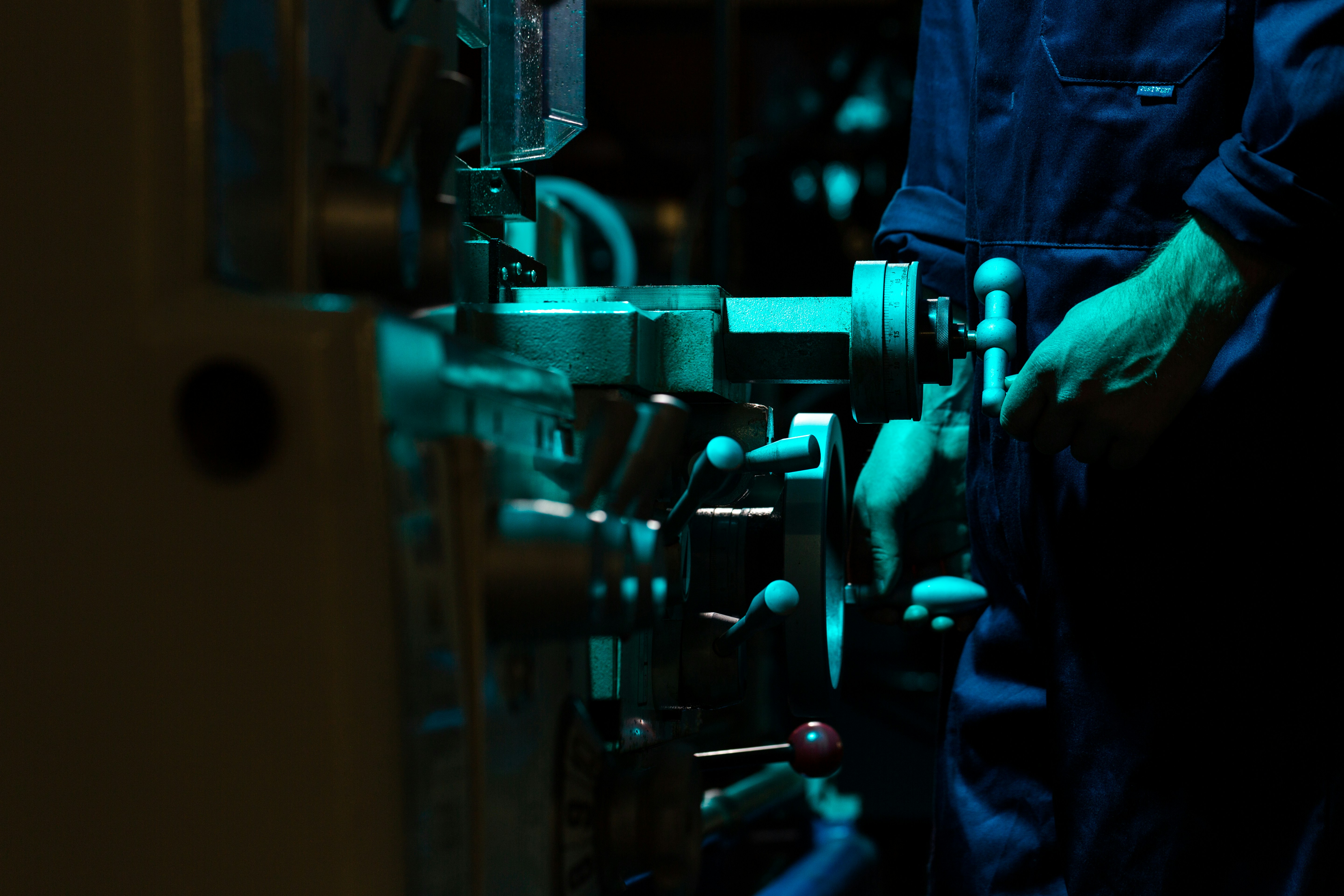
- CNC machining of tool steel components
- Heat treatment for wear resistance and longevity
- Precision grinding and polishing
- Trial stamping and dimensional validation
- Fine-tuning for optimal forming performance
Designed for Scalability and Repeatability
The true value of premium tooling becomes evident during mass production. A well-built mold ensures that the first piece and the hundred-thousandth piece maintain the same quality standard. This consistency is essential for global brands that require reliable packaging performance across multiple production runs, markets, and launch cycles.
High-quality tooling also shortens setup time, reduces scrap rates, improves production yield, and lowers total manufacturing cost over the life of the project. For long-term programs, the return on investment is substantial.
Engineering Confidence into Every Tin Box
In custom tin packaging, superior results begin long before stamping starts. They begin with tooling engineered for precision, durability, and manufacturability. Our expertise in custom tin box tooling allows us to turn complex packaging concepts into scalable production realities—while ensuring exceptional appearance, flawless functionality, and dependable consistency.
Whether you are developing a new product launch, upgrading existing packaging, or creating a distinctive promotional tin, our tooling capabilities provide the technical foundation for success. From concept to mass production, we build every tool with one objective: to deliver packaging that performs as beautifully as it looks.