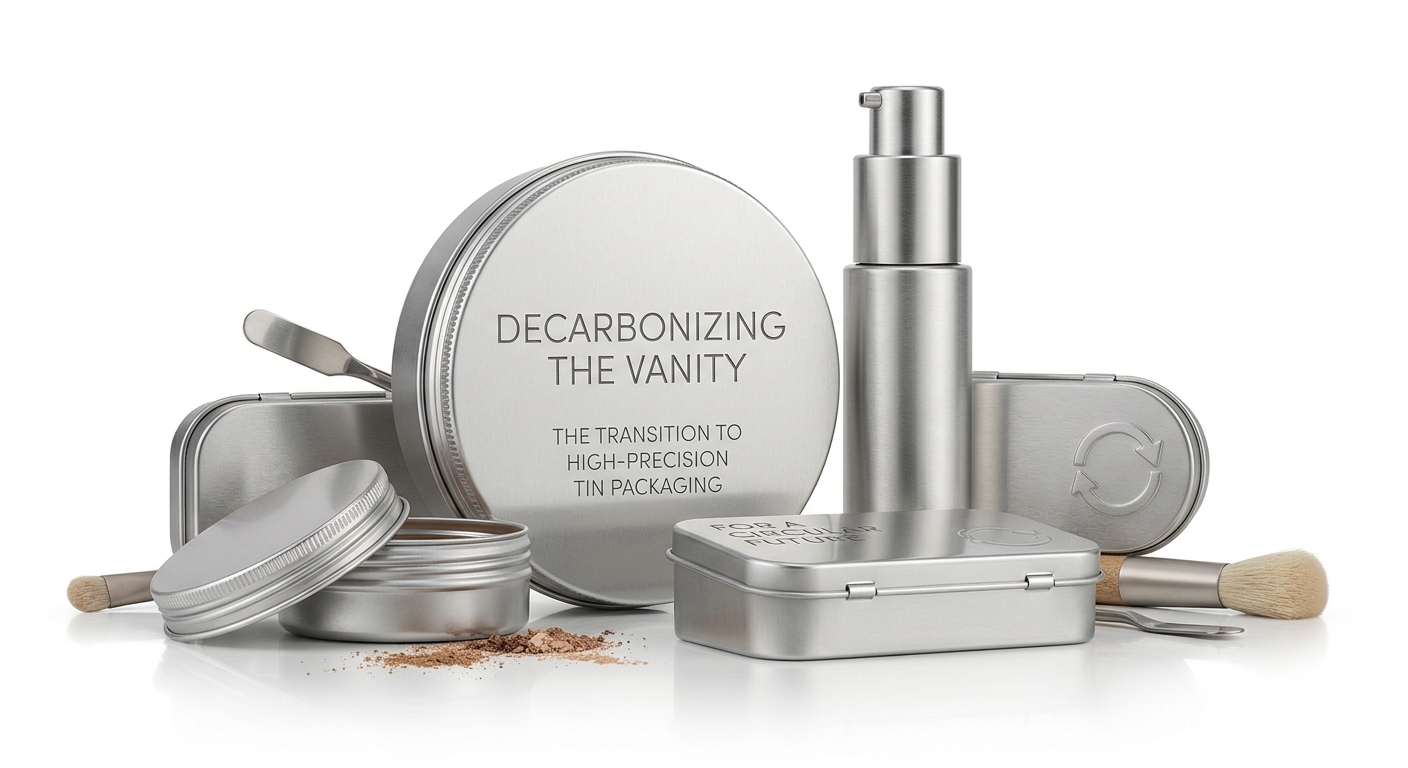
Decarbonizing the Vanity: Why Premium Beauty Brands are Switching to High-Precision Tin Packaging for a Circular Future
As we navigate the 2026 luxury landscape, high-precision tin packaging has become the cornerstone of the circular beauty economy. This report examines why premium brands are abandoning traditional materials for infinitely recyclable metal solutions to meet 2026 carbon-neutral targets.
The 2026 Paradigm Shift: Metal as the New Standard of Luxury
As of April 2026, the high-end beauty market has reached a definitive turning point. Premium brands are increasingly abandoning complex multi-material plastics in favor of high-precision tin packaging. This shift is driven by the 2026 Global Circularity Accord, which mandates that luxury packaging must demonstrate 100% infinite recyclability without quality degradation. Tinplate, with its permanent material properties, has emerged as the premier solution for brands aiming to achieve net-zero status by the end of the 2026 fiscal year.
Engineering Precision for the Refillable Era
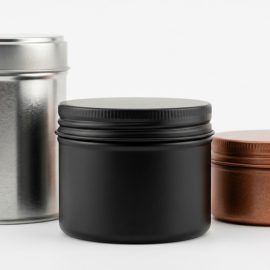
The current 2026 design aesthetic focuses on ‘Durable Elegance.’ Modern high-precision tin manufacturing now allows for micron-level tolerances that were previously impossible. This enables the production of airtight, snap-fit lids and modular chassis that house replaceable product inserts. By utilizing these high-precision metal containers, brands are successfully moving toward a refill-at-home model that resonates with the eco-conscious consumer of 2026, who views a high-quality tin case as a lifelong vanity heirloom rather than a disposable item.
Carbon Neutrality and Logistics Efficiency
In the logistics landscape of 2026, weight and protection are paramount. High-precision tin is engineered to be thinner yet more resilient than the materials used in the early 2020s. This reduces the carbon footprint during air and sea freight—a critical metric for the 2026 sustainability audits. Furthermore, the opacity of tin provides a natural barrier against UV light, extending the shelf life of the preservative-free, clean-beauty formulas that dominate the 2026 market, thereby reducing global product waste.
The Aesthetics of 2026: Tactile and Timeless
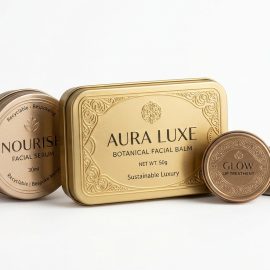
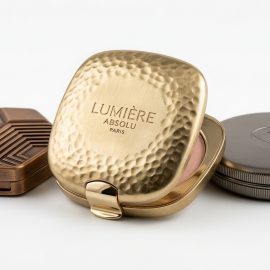
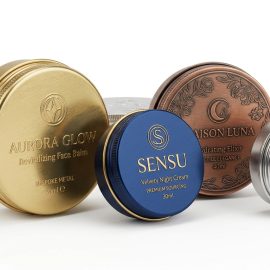
Surface technology in 2026 has evolved to offer sophisticated finishes on tin, including 3D embossing, tactile haptic coatings, and metallic gradients that do not interfere with the recycling process. These innovations allow luxury brands to maintain their prestigious identity while adhering to the strict environmental regulations of 2026. As we look toward 2027, the move to tin is projected to become the industry benchmark for any brand claiming a position in the premium sustainable space.