Sculpting Brand Loyalty: The Rise of Zero-Plastic Decorative Tin Casings for High-End Educational Toy Kits
A comprehensive analysis of why leading educational toy brands in 2026 are transitioning to zero-plastic tinplate packaging. This article explores the technical superiorities of electrolytic tinplate, its role in sculpting brand identity, and its alignment with the latest 2026 environmental mandates for high-end STEM kits.
[产品简介]
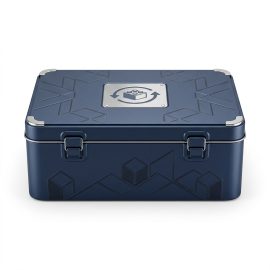
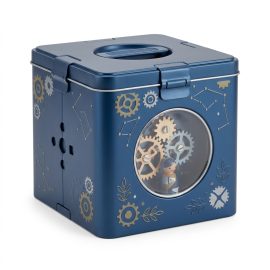
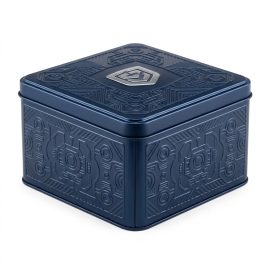
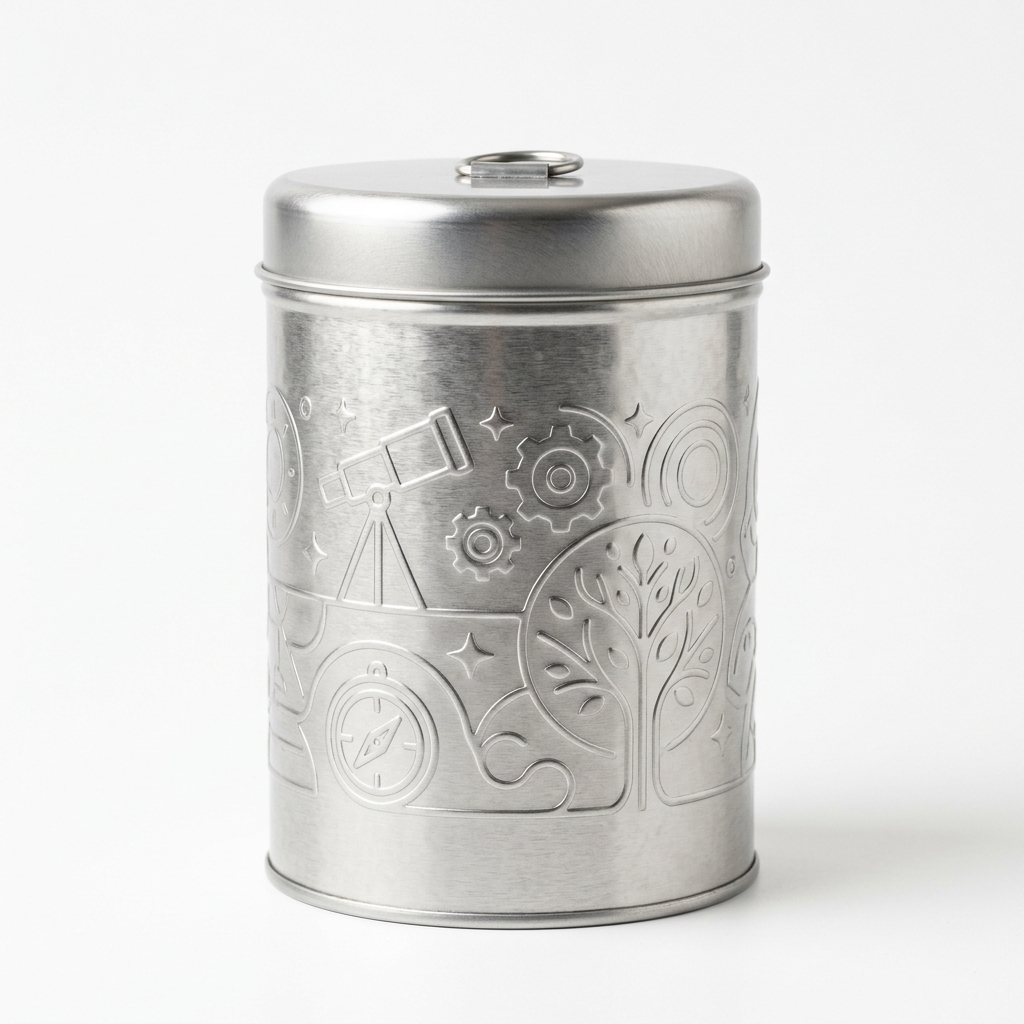
In the competitive landscape of 2026, the educational toy industry has undergone a radical transformation. As global regulations on single-use polymers tighten and consumer consciousness reaches an all-time high, the focus has shifted from the toy itself to the integrity of its delivery vehicle. Our Zero-Plastic Decorative Tin Casings represent the pinnacle of this evolution. Engineered for high-end STEM and educational kits, these casings are more than just containers; they are a statement of durability, environmental stewardship, and premium craftsmanship. Utilizing advanced 2026 metallurgy techniques, these tin casings provide an impenetrable barrier against environmental factors while offering a tactile, high-weight experience that plastic alternatives simply cannot replicate. For brands aiming to cultivate lifelong loyalty, these decorative casings serve as a permanent fixture in the learning environment, long after the initial unboxing.
[核心规格]
| Specification Parameter | Technical Detail (2026 Standards) |
|---|---|
| Material Composition | Grade A Electrolytic Tinplate (ETP) with 2.8/2.8 coating weight |
| Thickness Range | 0.23mm – 0.35mm (Reinforced for 2026 durability mandates) |
| Coating Technology | BPA-NI (Non-Intent) Bio-based Varnish, High-Gloss/Matte Finish |
| Printing Method | High-Definition 10-Color Offset Lithography with UV Curing |
| Safety Certifications | EN71-3:2026, ASTM F963-26, REACH 2026 Compliance |
| Structural Integrity | Deep-drawn or Seamed with Child-Safe Rolled Edges |
| Recyclability | 100% Infinitely Recyclable without Grade Degradation |
[产品优势]
- Zero-Plastic Commitment: Meeting the 2026 global demand for plastic-free supply chains, these casings eliminate the need for traditional plastic trays and outer wraps, utilizing innovative tinplate inserts and paper-based internal padding.
- Superior Sensory Branding: The acoustic resonance and weight of metal communicate a ‘premium’ status that psychological studies in 2026 have linked to higher perceived value and brand trust in the educational sector.
- Enhanced Durability for STEM: Unlike cardboard or brittle plastics, our tinplate is resistant to the rigorous handling typical in laboratory and classroom environments, ensuring the internal delicate electronic components are shielded from kinetic impact.
- Long-Term Utility (The Keepsake Effect): These casings are designed for secondary life as modular storage units. By remaining in the home for years, they ensure the brand logo and aesthetic stay visible to the consumer, reinforcing brand recall every day.
- Advanced Thermal Stability: Metal provides superior protection against temperature fluctuations during 2026 international logistics, preventing the warping or degradation often seen in bioplastic alternatives.
- Precision Articulation: Featuring the latest 2026 hinge designs and friction-fit lids, the opening experience is engineered to be smooth yet secure, providing a satisfying tactile feedback that signifies high-quality engineering.
- Chemical Resistance: The bio-varnish used on the internal and external surfaces is resistant to most chemicals found in 2026 chemistry sets, preventing corrosion and maintaining a pristine appearance over time.
- Micro-Embossing Capabilities: Our 2026 production lines allow for 3D micro-embossing, enabling brands to add intricate, touchable textures and security features that are impossible to replicate with traditional printing.
[应用场景]
The versatility of our Decorative Tin Casings allows them to excel in various high-stakes educational markets. In the STEM Robotics sector, these casings house sensitive circuit boards and precision motors, offering electromagnetic shielding that plastic cannot provide. In the Advanced Chemistry and Molecular Biology kit market, the tinplate’s resistance to light and airtight sealing capabilities protect sensitive reagents from degradation during 2026-2027 educational cycles.
Furthermore, they are the preferred choice for Architectural Model Kits and Heritage Craft Sets, where the packaging is intended to serve as a display base or a permanent tool chest. The ability to stack and interlock these tins, a design feature optimized for 2026 shelf-space efficiency, also makes them ideal for subscription-based educational services where each month’s installment builds into a larger, organized library of learning materials. In the professional training and corporate gifting sector for 2026, these tins provide a sophisticated medium for housing high-end coding tools and professional development resources, bridging the gap between educational toys and professional instruments.
Detailed Technical Analysis for 2026 Implementation:
As we move deeper into 2026, the technical requirements for educational packaging have moved beyond simple containment. The integration of electrolytic tinplate (ETP) offers a unique solution to the ‘Material Paradox’—the need for a material that is both incredibly strong and incredibly lightweight for shipping efficiency. Our latest 2026 metallurgical advancements have allowed us to reduce the gauge of the metal without sacrificing tensile strength, resulting in a 15% reduction in carbon footprint compared to 2025 metal standards.
The printing technology applied to these casings utilizes 2026-grade vegetable-based inks which are cured via low-energy LED-UV systems. This ensures that the vibrant colors required to engage a student’s imagination do not come at the cost of air quality or recyclability. The inks are formulated to be scratch-resistant, maintaining the kit’s aesthetic integrity even after years of use in a classroom setting. This longevity is the cornerstone of brand loyalty; a product that looks as good in 2028 as it did at the point of purchase in 2026 creates a powerful narrative of quality and reliability.
From a manufacturing standpoint, our facilities utilize AI-driven quality control systems (standardized in early 2026) to monitor the surface tension and coating thickness in real-time. This ensures that every tin casing leaving the line meets the stringent EN71-3:2026 safety standards, which now include even stricter limits on heavy metal migration and organic compound emissions. By choosing these zero-plastic tin casings, manufacturers are not just following a trend—they are future-proofing their brands against the regulatory landscape of the late 2020s while providing an unmatched unboxing experience for the next generation of scientists, engineers, and creators.