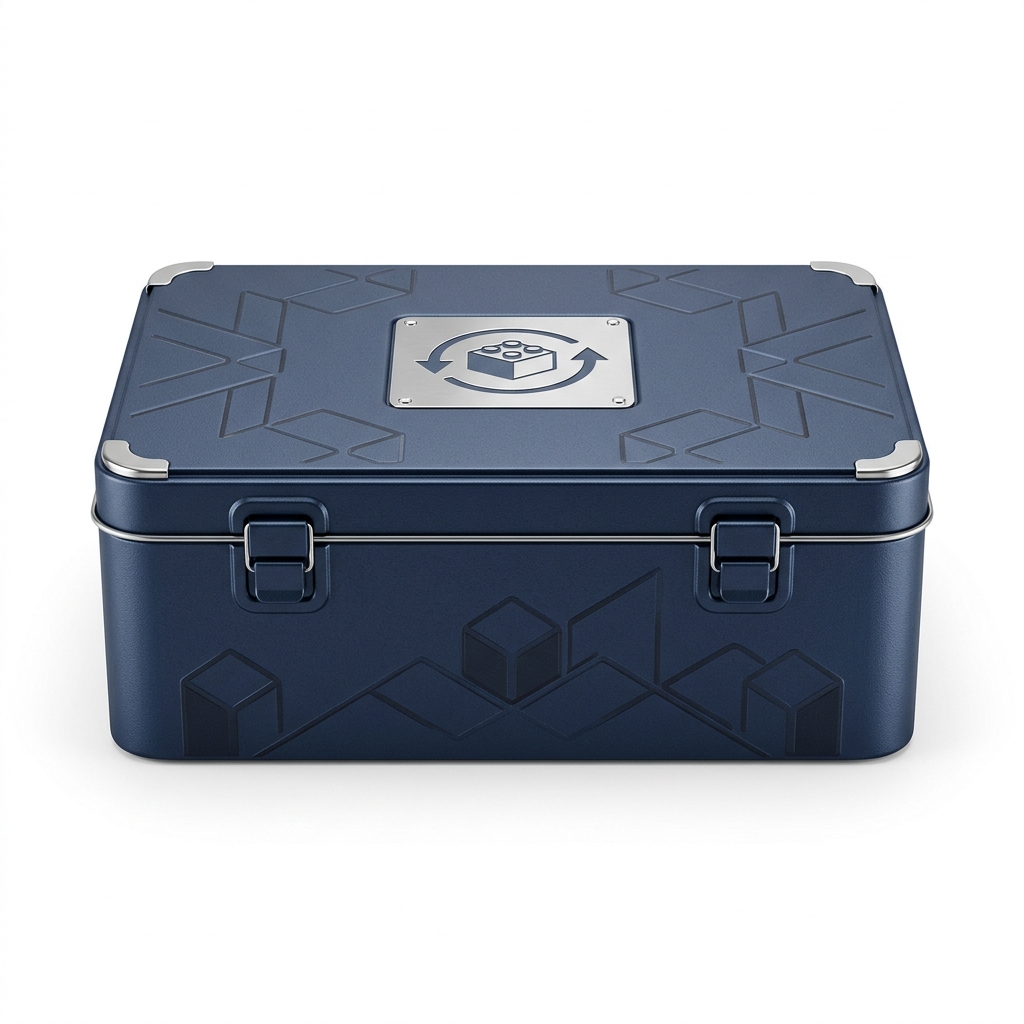
Beyond Disposal: How Modular Toy Gift Tin Boxes are Engineering the ‘Second-Life’ Unboxing Revolution for Premium Brand Exports
Discover the 2026 revolution in toy packaging. Modular Toy Gift Tin Boxes are no longer just containers; they are precision-engineered ‘Second-Life’ systems designed for sustainability and premium brand equity. Featuring Grade T3 tinplate, interlocking modularity, and 2026-compliant BPA-NI coatings, these tins transform from shipping vessels into permanent household assets, redefining the unboxing experience for global exports.
[Product Introduction]
As we navigate the sophisticated trade landscape of April 2026, the concept of packaging has undergone a fundamental metamorphosis. No longer viewed as a mere protective shell for transit, the Modular Toy Gift Tin Box has emerged as a cornerstone of the ‘Second-Life’ unboxing revolution. In an era where global sustainability mandates—such as the 2026 Circular Economy Enforcement Act—have tightened, premium brand exporters are turning to precision-engineered tinplate solutions to bridge the gap between luxury aesthetics and environmental accountability.
This isn’t just a box; it is a high-performance modular system. Designed with integrated interlocking geometries and advanced metallurgical compositions, these tin containers are engineered to transcend their initial purpose. By transforming from a shipping vessel into a permanent storage unit, a display pedestal, or a functional part of the toy’s ecosystem, these modular tins are redefining consumer loyalty and brand equity in the competitive 2026 international marketplace.
[Core Specifications]
The following technical parameters outline the engineering excellence required for 2026 export-grade modular packaging:
| Technical Parameter | Specification Details | Standard Compliance (2026) |
|---|---|---|
| Material Composition | Grade T3 Electrolytic Tinplate (ETP) | ASTM A623 / EN 10202:2026 |
| Thickness (Gauge) | 0.23mm to 0.35mm (Variable by Load) | High-Rigidity Tolerance |
| Coating Technology | BPA-NI (Non-Intent) & PFAS-Free UV Polymer | EU REACH 2026 Compliant |
| Modular Interface | Recessed Locking Groove with Precision Flange | Proprietary Interlocking Patent |
| Print Resolution | High-Definition 12-Color Offset Lithography | >600 DPI Industrial Standard |
| Structural Integrity | Side-Seam Resistance Welded (W-Seam) | ISO 9001:2026 Certified |
| Corrosion Resistance | Salt Spray Tested (96+ Hours) | Coastal Logistics Grade |
[Product Advantages]
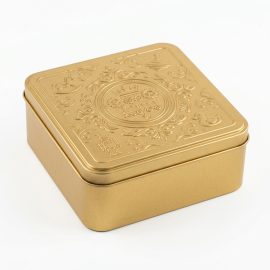
- Engineered Modularity: Unlike traditional packaging, these boxes feature a standardized nesting system that allows multiple units to be stacked and locked vertically or horizontally, creating a customizable storage furniture system for the end-user.
- Extended Lifecycle Value: By designing for ‘Second-Life’ utility, brands effectively lower their carbon footprint per use-cycle. The 2026 consumer values packaging that serves a permanent function, reducing post-consumer waste.
- Advanced Barrier Protection: The Grade T3 tinplate provides an absolute barrier against light, oxygen, and moisture, ensuring that sensitive electronic toy components or artisanal collectibles remain in pristine condition during long-haul sea freight.
- Sustainable Metallurgy: Tinplate is 100% infinitely recyclable. Our 2026 production line utilizes a high percentage of post-consumer recycled (PCR) steel, aligning with the latest green manufacturing protocols.
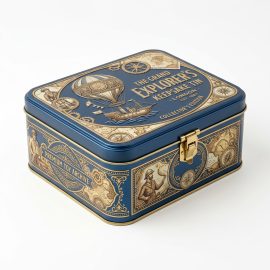
- Tactile Brand Perception: The weighted, premium feel of cold-rolled steel communicates quality in a way that bio-plastics cannot. The acoustic ‘click’ of the precision-fit lid reinforces the engineering excellence of the brand inside.
- Child-Safe Geometry: All edges are processed through secondary hemmed-rolling techniques, ensuring zero sharp exposures, meeting the stringent 2026 Toy Safety Directive (TSD) for global exports.
- Digital Integration: Each modular tin can be embossed with unique QR codes or NFC tags for digital ‘unboxing’ experiences, connecting the physical box to the brand’s 2026 metaverse presence.
[Application Scenarios]
1. High-End Collectible Figure Series
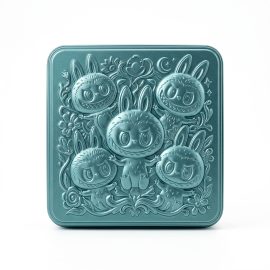
For limited-edition toy designers, the modular tin box serves as a ‘Vault.’ Its interlocking nature allows collectors to build display walls that are as premium as the figures themselves. In the 2026 collectibles market, the condition of the packaging is as vital as the product; these tins ensure permanent preservation against environmental degradation.
2. STEM and Educational Building Sets
Modular tins are the perfect companion for construction toys. The packaging becomes the organization system, with different sized tins locking together to sort gears, sensors, and bricks. This functional utility ensures the brand remains a staple on the child’s desk long after the initial purchase.
3. Sustainable Subscription Box Services
As subscription models evolve in 2026, the ‘refill’ economy is booming. Brands ship initial products in modular tins, and subsequent refills arrive in minimal compostable mailers. The tin remains the permanent, high-quality housing, reducing total logistics waste while maintaining a luxury presence in the home.
4. Artisanal and Heritage Toy Exports
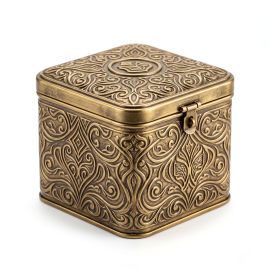
Traditional toy makers looking to modernize their export strategy utilize the tin’s canvas for intricate lithography. The ‘Second-Life’ aspect here is often aesthetic—the boxes are repurposed as kitchen canisters or stationery organizers, keeping the brand’s heritage imagery visible in daily life for decades.
Technical Deep Dive: The 2026 Engineering Shift
The revolution in modular packaging is driven by a shift from “disposable design” to “mechanical permanence.” In our current 2026 manufacturing environment, we utilize finite element analysis (FEA) to simulate the stress points of the tinplate during stacking. This ensures that even when stacked ten units high in a retail or home environment, the bottom unit maintains zero structural deformation.
Furthermore, the introduction of ‘Smart-Coat’ technology in 2026 allows for antimicrobial surfaces that are integrated into the decorative varnish. This is particularly relevant for the toy industry, providing an added layer of hygiene that consumers now expect as a standard feature. The interaction between the modular grooves and the friction-fit lids is calibrated to a tolerance of +/- 0.05mm, providing a tactile experience that signals precision engineering.
By choosing modular tin over single-use alternatives, exporters are not just shipping a product; they are delivering a durable asset. This strategy effectively bypasses the ‘plastic taxes’ currently being implemented across the EU and North American markets in 2026, offering a more cost-effective long-term solution for high-volume premium exports.