Why Tactile-Engineered Tin Keepsakes Are Outpacing Plastic Packaging in High-End Toy Collectibles
In 2026, the high-end toy industry has witnessed a decisive shift toward tactile-engineered tin packaging. This deep dive explores how metal keepsakes outperform plastic through superior sensory feedback, structural permanence, and compliance with the latest 2026 environmental mandates, transforming the unboxing experience into a lasting brand asset.
[Product Introduction]
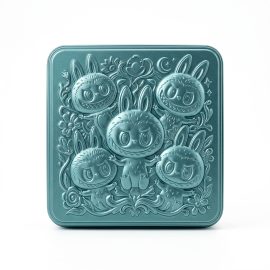
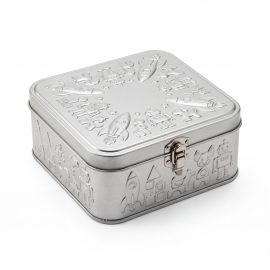
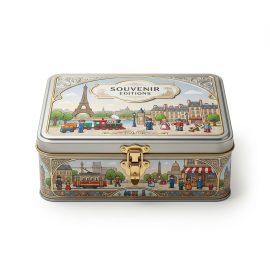
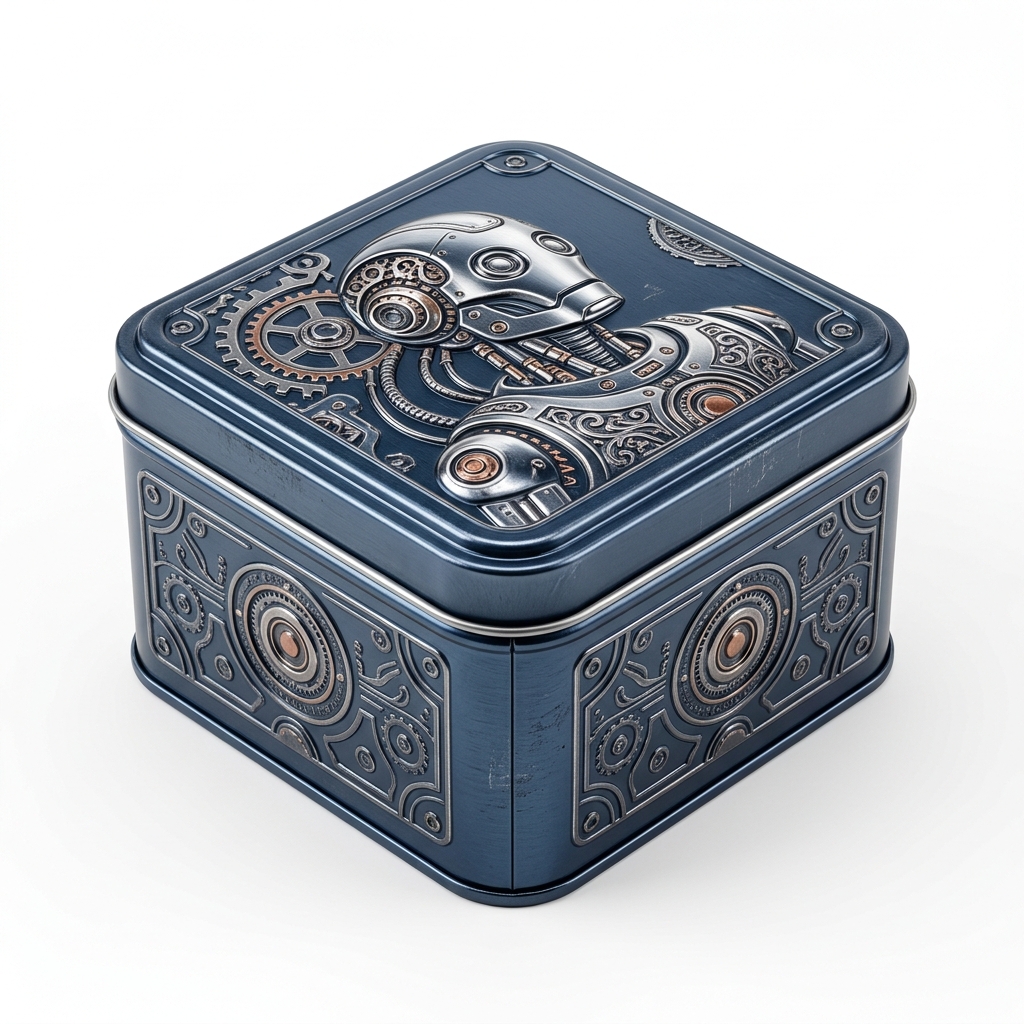
In the competitive landscape of 2026 high-end collectibles, the packaging is no longer a secondary consideration but a core component of the product’s identity. The Aura-Series Tactile-Engineered Tin Keepsake represents the pinnacle of this evolution. Designed specifically for designer toys, limited-edition action figures, and luxury hobbyist kits, these containers leverage advanced metallurgy and haptic-responsive coatings. Unlike the ephemeral nature of polymers, these tinplate solutions provide a weight and ‘cold-touch’ sensory feedback that signals immediate premium value to the 2026 consumer, who demands both aesthetic excellence and ecological responsibility.
The 2026 Shift: From Disposable to Permanent
As of April 2026, the global collectibles market has undergone a fundamental transformation. The 2026 Global Plastic Reduction Treaty has placed unprecedented pressure on manufacturers to phase out single-use thermoformed plastics. However, the move toward metal is not merely a regulatory compliance strategy; it is a response to the ‘Tactile Fatigue’ experienced by consumers. In an increasingly digital world, the physical weight and resonance of a metal keepsake provide a grounding experience that plastic simply cannot replicate. Tactile-engineered tin offers a unique ‘thud’ factor—a structural resonance that correlates directly with the perceived lifespan of the collectible inside.
[Core Specifications]
| Parameter | Specification Detail (2026 Standard) |
|---|---|
| Material Composition | Prime Grade Electrolytic Tinplate (SPTE) / Chrome-Plated Steel (TFS) |
| Thickness Range | 0.23mm to 0.38mm (Customizable for Structural Rigidity) |
| Coating Technology | 2026-Gen Bio-Based PFAS-Free Haptic Lacquer |
| Printing Fidelity | 8-Color High-Definition UV Offset with Nano-Pigment Integration |
| Embossing Precision | Multi-Level 3D Micro-Embossing (up to 0.5mm depth) |
| Closure Mechanism | Hermetic Friction-Fit or Mechanical Hinge with Tension Lock |
| Compliance | ISO 2026:22000 (Safety) & Circular Economy Certificate 2026 |
Engineering the Sensory Experience
The technical superiority of 2026 tin packaging lies in its multi-sensory engineering. When a collector touches an Aura-Series tin, they encounter a ‘Smart-Grip’ finish. This is achieved through a controlled curing process of the external varnish, which creates a microscopic texture that improves grip while resisting fingerprints. This haptic fidelity is crucial for high-end toys where the box is often displayed alongside the figure. Furthermore, the acoustic profile of the metal—the sound it makes when the lid is removed—is tuned through precise wall thickness management, providing a satisfying auditory ‘pop’ that has become a hallmark of luxury unboxing in 2026.
[Product Advantages]
- Structural Permanence: Unlike plastic which degrades and yellows over time, tinplate maintains its integrity for decades, protecting the investment of the collector.
- Haptic Premium: The ‘Cold-Touch’ technology provides an immediate psychological cue of high quality, distinguishing the product from mass-market alternatives.
- Advanced Light Shielding: Metal provides a 100% opaque barrier against UV radiation, preventing the fading of toy pigments which is a common issue with clear plastic windows.
- 2026 Eco-Compliance: Tin is infinitely recyclable. In the current circular economy, metal containers are seen as ‘assets’ rather than ‘waste,’ aligning with consumer values in 2026.
- Precision Micro-Embossing: Our 2026 stamping tech allows for intricate details that mimic the texture of fabric, stone, or carbon fiber on the metal surface.
- Oxidation Resistance: Utilizing the latest 2026 anti-corrosion inner liners, these keepsakes protect delicate components from humidity and atmospheric oxidation.
- Brand Real Estate: The entire surface area of the tin is a canvas for high-definition storytelling, offering 360-degree branding that plastic inserts cannot match.
- Secondary Utility: Collectors rarely discard high-quality tins; they repurpose them, ensuring the brand remains in the consumer’s environment for years to come.
Metallurgical Advancements in 2026
The tinplate utilized in our 2026 production lines is sourced through ‘Green Steel’ initiatives, utilizing hydrogen-reduction furnaces that significantly lower the carbon footprint compared to 2025 manufacturing benchmarks. The tensile strength of our current SPTE grade allows for thinner walls without compromising crush resistance, which is vital for the global shipping logistics of 2026. This allows for lighter shipping weights while maintaining the ‘heavy’ feel of luxury. Furthermore, the integration of NFC (Near Field Communication) tags within the tin’s lining—a standard feature in 2026—enables collectors to verify authenticity and ownership history through a simple smartphone scan, a feat much harder to achieve securely with flexible plastic.
[Application Scenarios]
Tactile-engineered tin is versatile and adapts to various high-stakes environments within the toy and collectible sector:
- Limited Edition Designer Toys: For artists releasing 1-of-500 figures, the tin acts as a numbered vault, increasing the total auction value of the set.
- Mystery ‘Blind Box’ Collections: The opacity of metal ensures total surprise, while the weight consistency prevents ‘box weighing’ tactics often used to identify rare items in plastic packaging.
- Premium Tabletop Gaming: Metal tins provide the ruggedness required for transporting high-detail miniatures and modular scenery components through diverse environments.
- Heritage Re-issues: For brands reviving classic lines from the late 20th century, tin evokes a sense of nostalgia and ‘industrial heritage’ that plastic cannot fulfill.
- Luxury Art Statues: Large-format tins serve as the primary protective chassis during international transit, replacing bulky polystyrene with a more compact, eco-friendly alternative.
The Future Horizon: 2027 and Beyond
Looking toward 2027, the integration of smart-surface technology will allow these tin keepsakes to change color based on ambient temperature or even display digital metadata via e-ink overlays embedded in the metal. The trajectory is clear: plastic is being relegated to the low-cost, disposable tier, while tactile-engineered metal has claimed the high-ground of the premium collector’s market. By investing in tinplate solutions today, brands are not just choosing a box; they are choosing a legacy of quality and environmental stewardship that will define the next decade of the toy industry.
Conclusion: The Competitive Edge
In conclusion, the shift toward tactile-engineered tin keepsakes is driven by a convergence of sensory psychology, rigorous 2026 environmental standards, and the intrinsic value of durability. For manufacturers aiming to capture the high-end segment, metal is no longer an option—it is a necessity. The Aura-Series represents the state-of-the-art in this field, offering a synthesis of engineering precision and artistic expression that ensures your collectible is protected, valued, and remembered.