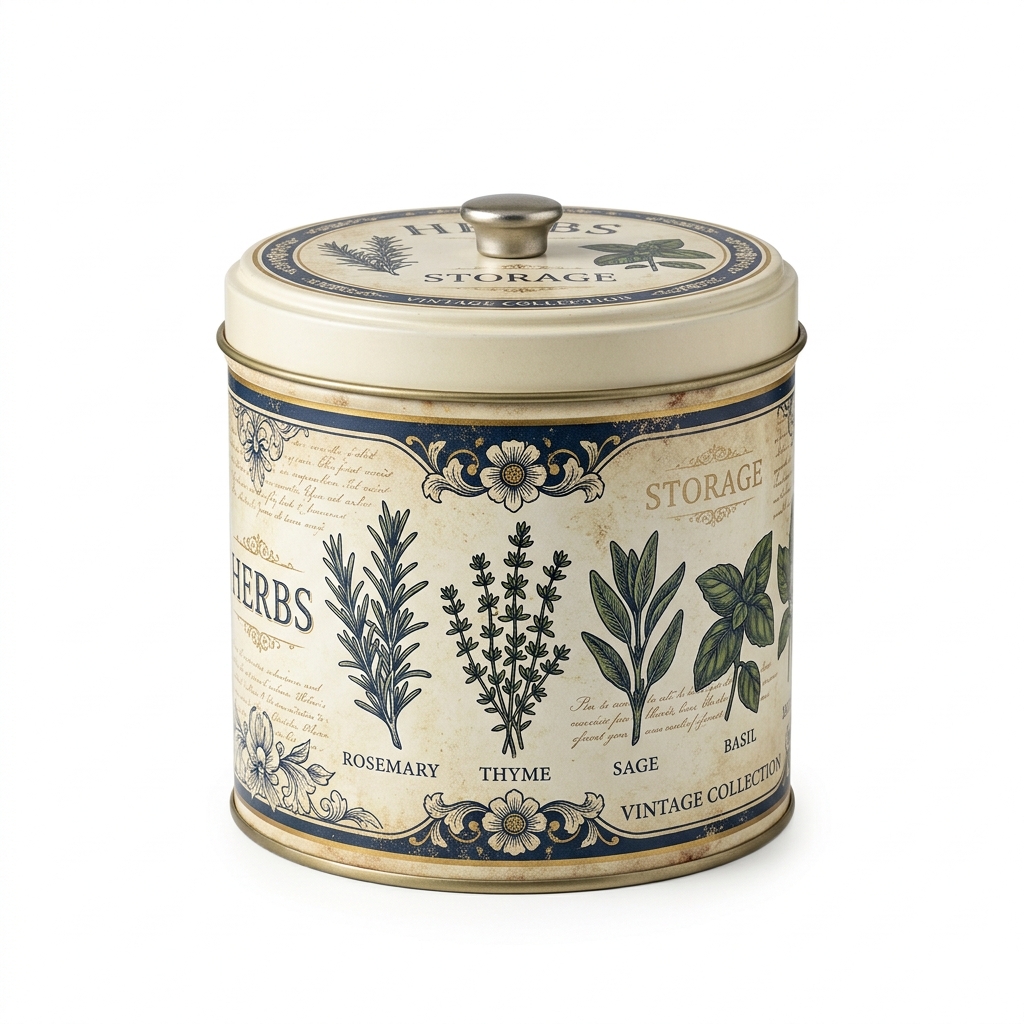
Maximizing Retail Margins: Sourcing Stackable Kitchen Tins for Storage with Custom Vintage Prints
Discover how sourcing custom vintage-printed, stackable kitchen storage tins can exponentially increase retail margins in 2026. Explore technical specifications, innovative manufacturing techniques, and strategic B2B WooCommerce integration to dominate the modern kitchenware market.
[Product Introduction]
In the highly competitive landscape of global e-commerce and retail merchandising in 2026, finding the perfect equilibrium between aesthetic appeal, functional utility, and supply chain efficiency is paramount. Enter the premium stackable kitchen tin for storage, engineered with custom vintage prints. This product category has surged to the forefront of the consumer homeware sector, driven by a global shift toward circular economy principles, sustainable packaging, and a profound consumer nostalgia that demands elevated interior aesthetics. For foreign trade professionals, B2B wholesale buyers, and WooCommerce store operators, sourcing these specialized containers is no longer merely an inventory decision; it is a strategic maneuver designed for maximizing retail margins.
As urban living spaces become increasingly optimized, consumers in 2026 require storage solutions that maximize vertical space without compromising on design. The interlocking, modular nature of these stackable tins allows for seamless pantry organization. Furthermore, the application of bespoke vintage lithography transforms a standard household utility item into a premium lifestyle accessory. By leveraging cutting-edge electrolytic tinplate manufacturing alongside modern direct-to-metal UV printing technologies, retailers can offer a product that feels historically authentic yet performs with modern precision. This comprehensive guide delves into the technical specifications, inherent product advantages, and robust application scenarios of sourcing custom vintage stackable tins, providing WooCommerce operators with the deep insights necessary to dominate the kitchenware market.
The Structural Engineering of Modular Tinplate Storage
To truly understand the margin-boosting potential of these products, one must examine the rigorous engineering behind their stackability. The foundation lies in the selection of high-grade electrolytic tinplate, specifically calibrated to a gauge between 0.23mm and 0.28mm. This specific thickness ensures optimal structural integrity, preventing deformation when multiple units are stacked and subjected to vertical load-bearing stress over extended periods. The bases and lids of these containers are engineered utilizing precision deep-drawing techniques. A recessed stepped-lip on the lid precisely corresponds to the embossed basal profile of the subsequent tin, creating an interlocking mechanism that prevents lateral slipping. This tight tolerance, often measured within fractions of a millimeter, guarantees stability even in high-traffic commercial kitchen environments or dynamic retail display shelving.
Internally, the metal substrate is treated with state-of-the-art, BPA-free, food-grade organic lacquers compliant with the stringent 2026 global food safety mandates. This interior barrier serves a dual purpose: it prevents chemical interaction between the stored consumables (such as highly acidic coffee beans or alkaline tea leaves) and the metallic casing, and it mitigates oxidation, ensuring the longevity of both the product and the packaging. The hermetic sealing capabilities are further enhanced by the integration of medical-grade silicone gaskets hidden within the rolled hem of the lid, transforming an aesthetically pleasing vintage tin into a highly functional preservation vault.
Advanced Lithography: Resurrecting Vintage Aesthetics in 2026
The visual differentiation of these tins relies heavily on superior printing capabilities. The term ‘vintage’ does not imply outdated production; rather, it requires highly advanced reproduction techniques to simulate the rich, textured patinas of mid-century or Victorian eras. Utilizing multi-pass offset lithography combined with ultra-low-migration UV ink systems, manufacturers can achieve unparalleled color fidelity. CMYK processes are augmented with specialized Pantone spot colors to reproduce exact brand requirements or historical color palettes perfectly.
To achieve the authentic tactile sensation of antique metalware, the surface finishing processes are meticulously controlled. A combination of matte varnishes, selective gloss highlights, and strategic 3D embossing or debossing is applied. The embossing die is mapped perfectly to the print registration, allowing specific elements of the vintage artwork—such as ornate typography, botanical illustrations, or classic brand insignias—to physically protrude from the surface. This multi-sensory engagement drastically elevates the perceived value of the product, allowing WooCommerce retailers to position the item in a premium tier, thereby widening the gap between landed cost and retail realization.
[Core Specifications]
The following table outlines the rigorous technical parameters and manufacturing standards for premium stackable kitchen tins designed for the 2026 global market.
| Specification Category | Technical Details | Operational & Commercial Benefit |
|---|---|---|
| Material Composition | 0.23mm – 0.28mm Grade A Electrolytic Tinplate (ETP) | Exceptional durability and dent resistance during international freight and daily consumer use. |
| Interior Coating | BPA-Free Epoxy Phenolic Resin (Food-Grade) | 100% compliant with 2026 FDA and EU LFGB directives; ensures zero flavor contamination. |
| Exterior Printing | High-Definition Multi-Pass Offset Lithography with UV Curing | Fade-resistant, high-resolution vintage artwork reproduction with exact Pantone color matching. |
| Surface Finishing | Matte / Satin Varnish with Spot Gloss and Precision 3D Embossing | Provides a premium tactile experience, enhancing the perceived vintage authenticity and retail value. |
| Stacking Mechanism | Recessed Lid with Interlocking Stepped Base (Tolerance < 0.5mm) | Guarantees vertical stability; optimizes retail shelf space and consumer pantry storage. |
| Sealing Technology | Rolled Inward Hem with Embedded Food-Grade Silicone Gasket | Provides an airtight, moisture-proof environment extending the shelf life of dry goods. |
| Dimensional Variations | Modular capacities: 250ml, 500ml, 1000ml, 1500ml | Allows for scalable SKU development and bundled cross-selling strategies in WooCommerce. |
| Eco-Compliance | 100% Recyclable, Zero-Plastic Packaging integration | Aligns with the rigorous 2026 global circular economy and extended producer responsibility (EPR) mandates. |
[Product Advantages]
Sourcing and merchandising these specialized stackable tins offers a multitude of strategic advantages for high-volume retailers and boutique e-commerce brands alike. The core benefits include:
- Exponential Space Optimization (Retail & Freight): The interlocking modular design significantly reduces dimensional weight (DIM) during international shipping. By minimizing dead air space in shipping cartons, logistics costs are drastically reduced, directly contributing to superior bottom-line margins.
- Unparalleled Perceived Value and Margin Expansion: The combination of heavy-gauge tinplate, highly detailed vintage lithography, and tactile embossing commands a premium market positioning. Consumers are willing to invest heavily in products that serve dual functions as robust storage and superior home decor.
- Hermetic Preservation Capabilities: Advanced silicone gasket integration and rolled-edge engineering create an airtight seal that protects high-value consumables from moisture, UV light, and oxidation, extending the freshness of coffees, teas, spices, and artisanal baked goods.
- Sustainable & Circular Economy Compliance: As global regulations in 2026 penalize single-use plastics, tinplate stands out as a permanently recyclable material. Offering zero-waste, infinitely reusable metal packaging aligns perfectly with modern eco-conscious consumer purchasing behaviors.
- Robust B2B Customization Flexibility: The manufacturing process allows for rapid adaptation of lithographic plates. Retailers can effortlessly launch seasonal collections, limited-edition artist collaborations, or region-specific vintage themes to continuously drive recurring revenue.
- Enhanced Brand Longevity: Unlike disposable packaging, premium printed tins are kept and displayed by consumers for years, serving as a permanent, in-home billboard for the retailer or the wholesale brand, driving long-term brand recall and loyalty.
- Cross-Selling and Bundling Synergy: The modular capacities of the stackable ecosystem encourage consumers to purchase multiple units to complete a set. WooCommerce operators can easily implement dynamic bundle pricing algorithms to increase Average Order Value (AOV).
[Application Scenarios]
The versatility of stackable kitchen tins with custom vintage prints allows them to seamlessly penetrate a wide variety of commercial and domestic environments. In the realm of Boutique Gourmet Retail, these containers are the packaging of choice for premium loose-leaf teas, single-origin roasted coffee beans, and artisanal spice blends. The airtight sealing preserves the volatile oils and aromatic compounds of the contents, while the vintage aesthetic communicates a sense of heritage, craftsmanship, and artisanal quality that modern discerning shoppers demand.
Within the rapidly expanding Zero-Waste Refill Store Sector, which has seen unprecedented growth by 2026, these tins serve as the ultimate durable, reusable receptacle. Customers can purchase the tins once and repeatedly bring them back to the store to dispense bulk dry goods such as grains, legumes, and cereals. The stackable nature allows these stores to efficiently merchandise the empty containers on their shelves, maximizing revenue per square foot of retail space.
For High-End Corporate Gifting and Subscription Boxes, customized vintage tins offer an unforgettable unboxing experience. E-commerce businesses utilizing WooCommerce can offer personalized embossing or bespoke regional vintage designs specifically tailored for corporate clients. The structural durability ensures that the contents arrive flawlessly, eliminating the high return rates associated with fragile glass or crushable cardboard packaging.
Furthermore, in Commercial Culinary Environments such as artisan bakeries, specialized cafes, and high-end restaurant kitchens, vertical space is at a premium. The modular stacking system allows chefs and baristas to organize dozens of ingredients securely and efficiently. The metal construction ensures safety in high-temperature, fast-paced environments where plastic containers would degrade or glass would present a catastrophic shatter hazard.
WooCommerce Integration and Supply Chain Optimization Strategies
For the foreign trade e-commerce expert, the backend integration of these products into a WooCommerce infrastructure requires strategic planning to fully leverage their margin potential. Given the highly customizable nature of the vintage prints and modular sizes, SKU rationalization is critical. Utilizing advanced WooCommerce variation swatches and high-resolution, interactive 3D rendering plugins allows B2B buyers and D2C consumers to visualize the stackable sets and vintage textures in real-time before placing an order. This digital twin technology, standardized in the 2026 e-commerce ecosystem, significantly boosts conversion rates and reduces friction in the purchasing journey.
From a supply chain perspective, the procurement strategy should utilize Just-In-Time (JIT) methodologies coordinated via REST API integrations between the WooCommerce storefront and the overseas manufacturing ERP systems. Because the raw tinplate forms can be standardized, and only the lithographic printing plates need to be changed per order, manufacturers can drastically reduce lead times. By negotiating tiered volume matrices with suppliers, foreign trade operators can offer dynamic, algorithmic bulk pricing on their WooCommerce platforms, incentivizing wholesale buyers to purchase full shipping containers, thereby optimizing freight efficiency and maximizing the overarching retail margin.
In conclusion, the strategic sourcing of stackable kitchen tins for storage with custom vintage prints represents a masterclass in modern product merchandising. By fusing the historical charm of vintage lithography with the precise engineering of modular, airtight metalware, retailers possess a product uniquely adapted to the rigorous demands of the 2026 consumer market. Through meticulous supply chain management, stringent quality control, and sophisticated e-commerce deployment, these specialized containers will continually drive exponential margin growth and solidify brand dominance in the global homeware sector.