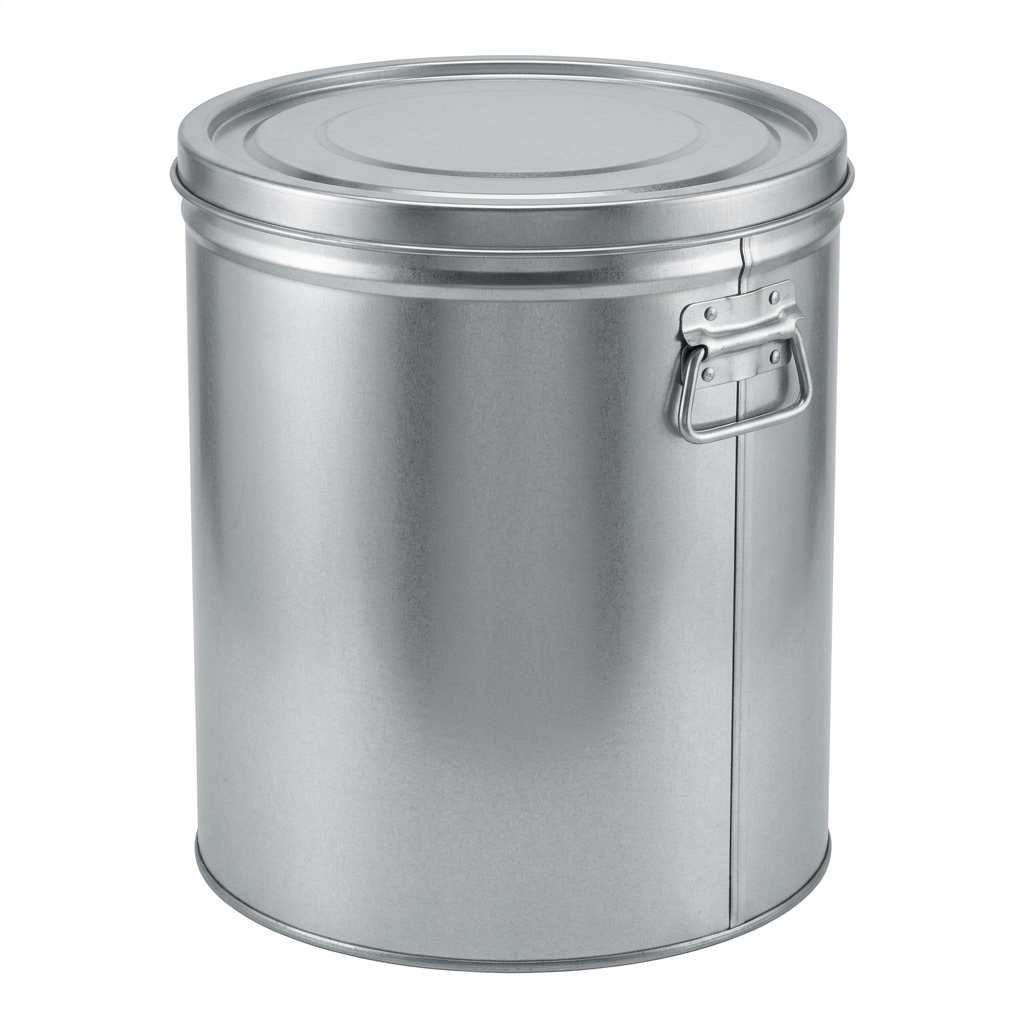
The Anatomy of a Rust-Proof Extra Large Storage Tin: What B2B Buyers Must Inspect Before Bulk Ordering
Discover the critical technical parameters B2B buyers must evaluate when sourcing extra-large rust-proof storage tins in 2026. This comprehensive guide covers chromium-free passivation, advanced BPA-NI internal coatings, double-seam structural integrity, and strict ASTM testing protocols to ensure high-performance bulk acquisitions.
In the highly competitive global supply chain landscape of 2026, packaging integrity directly influences brand equity and product shelf-life. The demand for robust, high-capacity packaging has led to the widespread adoption of extra-large metal containers. However, the biggest vulnerability of large-scale tinplate packaging remains atmospheric corrosion and structural deformation. This technical guide provides procurement managers, brand owners, and QA specialists with a deep analytical breakdown of the high-performance Rust-Proof Extra Large Storage Tin. Designed to withstand rigorous maritime transit and prolonged warehousing, this premium container sets a new benchmark for structural resilience and advanced surface passivation. Understanding its physical and chemical anatomy is crucial for securing optimal return on investment (ROI) in bulk procurement.
The Chemistry of Rust Prevention: Advanced Tinplate Metallurgy
To evaluate a rust-proof extra-large tin, B2B buyers must first look beyond the surface aesthetics to the metallurgical composition. High-grade industrial storage tins utilize Electrolytic Tinplate (ETP) or Tin-Free Steel (TFS) as their core substrate. The anti-corrosive capability of the tin is determined by the cold-rolled low-carbon steel core sheet coated on both sides with microscopic layers of pure metallic tin.
For extra-large formats, which frequently handle payloads exceeding ten kilograms, the base steel thickness must range precisely between 0.28mm and 0.38mm. Anything thinner compromises structural integrity under load, leading to denting that breaches the micro-protective tin layer. Furthermore, the tin coating weight is classified under global standards (such as ASTM A624 or EN 10202). For high-humidity warehousing, B2B buyers should demand a minimum tin coating weight of E5.6/5.6 (equal to 5.6 grams of tin per square meter on both internal and external surfaces). This creates an impermeable electrochemical barrier, ensuring that even if minor abrasions occur, the underlying steel remains cathodically protected.
Modern Passivation: Shifting to Eco-Compliant Standards
Historically, hexavalent chromium passivation was the industry standard for preventing “yellow rust” and tin oxide growth during storage. However, under strict global environmental regulations active in 2026, traditional chromium-based treatments are heavily restricted due to environmental toxicity. The modern rust-proof extra-large tin utilizes advanced chromium-free passivation technologies, primarily titanium-zirconium based chemical conversion coatings.
This eco-friendly passivation layer does not merely sit on top of the tin coating; it chemically bonds with the tin oxide layer to stabilize it. This process prevents the surface from darkening when exposed to atmospheric sulfur compounds (sulfur staining) and significantly enhances the adhesion of subsequent protective lacquers. When sourcing at scale, procurement teams must verify that their manufacturing partners utilize these compliant, non-toxic passivation techniques, backed by updated SGS or Intertek compliance certifications.
Internal Lacquering: The Ultimate Defense Against Product Interaction
An extra-large tin is only as durable as its internal barrier. When storing organic matter, acidic items, or hygroscopic chemical powders, the contents can chemically react with the metal walls, accelerating rust from the inside out. Therefore, high-quality tins employ specialized internal coatings applied via automated liquid spray or coil coating methods, followed by high-temperature thermal curing.
The standard lacquers preferred in 2026 include:
- BPA-NI (Bisphenol A Non-Intent) Organosol Lacquers: Ideal for food contact, dry ingredients, and organic cosmetic ingredients, providing superior chemical resistance without regulatory hurdles.
- Epoxy-Phenolic Lacquers: The gold standard for aggressive chemical agents, alkaline compounds, and acidic formulations. These coatings offer exceptional adhesion and high flexibility, ensuring the lining does not crack if the tin is subjected to mechanical impact.
- Polyester Coatings: Perfect for dry goods requiring high aesthetic value, offering excellent flexibility and scuff resistance during fabrication and lid-fitting.
The technical specifications of our premium-grade rust-proof extra-large storage tin are outlined below. These parameters represent the optimal engineering balance required for heavy-duty B2B applications.
| Technical Parameter | Standard Specification | Industry Standard / Testing Protocol |
|---|---|---|
| Substrate Material | Electrolytic Tinplate (ETP), Single/Double Reduced | ASTM A623 / EN 10202 Compliant |
| Steel Temper Grade | T3 / T4 (Continuous Annealed) or DR8 (Double Reduced) | HR30T Hardness Rating |
| Tin Coating Weight | 5.6g/m² / 5.6g/m² (E5.6/5.6) up to 8.4g/m² | Gravimetric Method / X-ray Fluorescence |
| Material Thickness | 0.28 mm to 0.35 mm (±0.01 mm tolerance) | Digital Micrometer Calibration |
| Passivation Treatment | Titanium-Zirconium Organic Passivation (Chromium-Free) | RoHS & REACH Directive Compliant |
| Internal Coating | Gold Epoxy Phenolic or Clear BPA-NI Organosol | FDA 21 CFR 175.300 & EU 10/2011 Compliant |
| External Varnish | High-Gloss Anti-Scratch Polymer Topcoat | MEK Rub Test (>100 Double Rubs) |
| Seam Configuration | Hermetic Double Seam with High-Elasticity Compound Lining | Optical Seam Projector Analysis |
| Salt Spray Resistance | Stable > 96 Hours without Red Rust | ASTM B117 / ISO 9227 Standard |
Mechanical Integrity: Reinforcement Ribs and Double-Seaming
For an extra-large tin (typically defined as having a capacity exceeding 5 liters, up to 25 liters), structural engineering is just as vital as chemical rust-proofing. When stacked high in logistics containers, the bottom tins must bear massive static and dynamic loads. Without proper structural engineering, the metal body will buckle, leading to lacquer fracturing and rapid rust formation at the stress points.
To prevent this, premium extra-large tins are designed with horizontal reinforcement ribs (beading) rolled into the tin plate body. These beads act as load distribution arches, increasing the radial collapse strength of the cylinder by up to 40%. Additionally, the bottom connection must feature a robust double seam (consisting of 5 layers of metal interlocked together with a liquid sealing compound applied within the fold). This construction prevents micro-leaks and ensures that moisture cannot seep into the seam crevices from the wet warehouse floors.
- Advanced Eco-Passivation (Chromium-Free): Formulated with cutting-edge titanium-based chemical passivation, ensuring complete compliance with the strictest global environmental standards while delivering elite rust prevention.
- High-Yield Structural Ribbing: Designed with engineered horizontal beads that increase radial strength, allowing high-density vertical stacking in warehouse environments without body deformation.
- Ultra-Durable Multi-Layered Lacquer System: Coated internally with premium food-grade BPA-NI or industrial epoxy-phenolic resins, cured under high-temperature thermal ovens to prevent chemical-induced internal corrosion.
- Double-Seamed Hermetic Bottom: Features a mechanical five-layer interlocked seam integrated with a high-durability synthetic lining compound to completely seal out moisture and atmospheric contaminants.
- Salt-Spray Certified Resilience: Extensively tested under ASTM B117 salt spray chambers, resisting surface corrosion for over 96 hours, making it highly suitable for long-distance maritime shipping.
- High Hardness Temper Steel: Utilizes premium continuous-annealed T3/T4 temper steel to provide superior impact resistance, preserving the protective coatings even under rough handling.
- Pure Circular Economy Design: Constructed from 100% infinitely recyclable tinplate steel, supporting corporate green initiatives and lowering carbon footprint taxes at global customs.
The versatility of the Rust-Proof Extra Large Storage Tin makes it an invaluable asset across multiple demanding industries:
1. Industrial Chemical and Raw Material Packaging
For chemical manufacturers exporting dry additives, specialized polymers, catalysts, and high-purity pigments, moisture intrusion can ruin entire batches. These extra-large tins provide a rigid, dry, hermetically sealed environment that blocks ambient humidity. The inner epoxy-phenolic lining ensures that alkaline or reactive chemical powders do not degrade the tin walls, preventing contamination during long storage cycles in coastal ports.
2. B2B Premium Food Processing and Ingredients
In the global food ingredient sector, large volumes of dried fruits, nuts, cacao powder, freeze-dried products, and tea leaves must be protected from oxidation and moisture. These tins, featuring BPA-NI internal coatings, offer food-safe preservation. They keep organic products fresh, crisp, and free from volatile organic compound (VOC) migration, satisfying strict international food safety regulations.
3. High-End Commercial Coffee Roasters
Commercial coffee roasters require bulk storage containers that preserve the delicate aromatic oils of freshly roasted beans while facilitating the degassing process. The structural rigidity of these extra-large tins allows for the easy integration of one-way degassing valves. Simultaneously, the robust rust-proof external coat protects the beans from moisture absorption, which could otherwise lead to mold growth and flavor degradation.
4. Defense, Aviation, and Precision Marine Logistics
Precision aerospace components, marine hardware, and high-value military spares require packaging that can withstand extreme temperature fluctuations, high humidity, and salty marine air during transport. The ASTM-tested rust-proof exterior combined with silica-gel desiccants inside the tin provides a military-grade moisture barrier, preventing micro-corrosion on sensitive metallic surfaces during transoceanic shipping.
The B2B Inspection Checklist: How to Audit Samples Before Placing a Bulk Order
To avoid costly mistakes when ordering tens of thousands of units, procurement agents must establish a rigorous inspection protocol for sample tins. Below are the key tests that should be requested from the manufacturer’s laboratory or conducted in-house:
1. The Cross-Hatch Adhesion Test (ASTM D3359)
Use a specialized multi-blade cutter to score a lattice pattern into the internal lacquer down to the steel substrate. Apply a standardized adhesive tape over the lattice, pull it off rapidly, and inspect the grid. A premium tin must achieve a rating of 5B or 4B, indicating zero or negligible detachment of the lacquer. This ensures the lining will not peel off when exposed to friction or chemical agents.
2. Double Seam Dimensional Analysis
Request a cross-sectional optical scan of the bottom double seam. The key metrics to inspect are seam overlap, body hook, and cover hook. An optimal double seam must have a seam tightness rating exceeding 90% and a minimum overlap of 1.1mm to guarantee complete hermetic sealing.
3. Impact/Drop Test Resistance
Fill the extra-large tin to its maximum design weight capacity with a mock product, seal it, and perform drop tests from a height of 1.2 meters at multiple angles (flat bottom, corner, and side seam). The tin must not breach or show signs of lacquer cracking inside the deformed impact zones. A robust tinplate construction preserves its rust-proof barrier even under extreme physical impact.
4. Autoclave and Heat Resistance Test
If the tin is intended for hot-filling or post-packaging sterilization, samples must be subjected to autoclave testing (typically 121°C for 30 minutes at high pressure). Post-test inspection must show zero lacquer blistering, no color change, and zero structural peeling, proving that the chemical bond between the passivation layer and the lacquer remains fully intact under extreme thermal stress.
Conclusion: Investing in Long-Term Packaging Security
In bulk B2B procurement, choosing the cheapest option often leads to hidden costs—including high product return rates, damaged inventory, and tarnished brand reputation. By deeply evaluating the chemical composition, passivation technologies, lacquering systems, and physical reinforcement of the Rust-Proof Extra Large Storage Tin, B2B buyers can secure a superior packaging solution that guarantees long-term durability and product safety. Partnering with manufacturers who adhere to strict modern environmental and technical standards is the ultimate strategy to streamline logistics, minimize waste, and maintain absolute product integrity in 2026 and beyond.