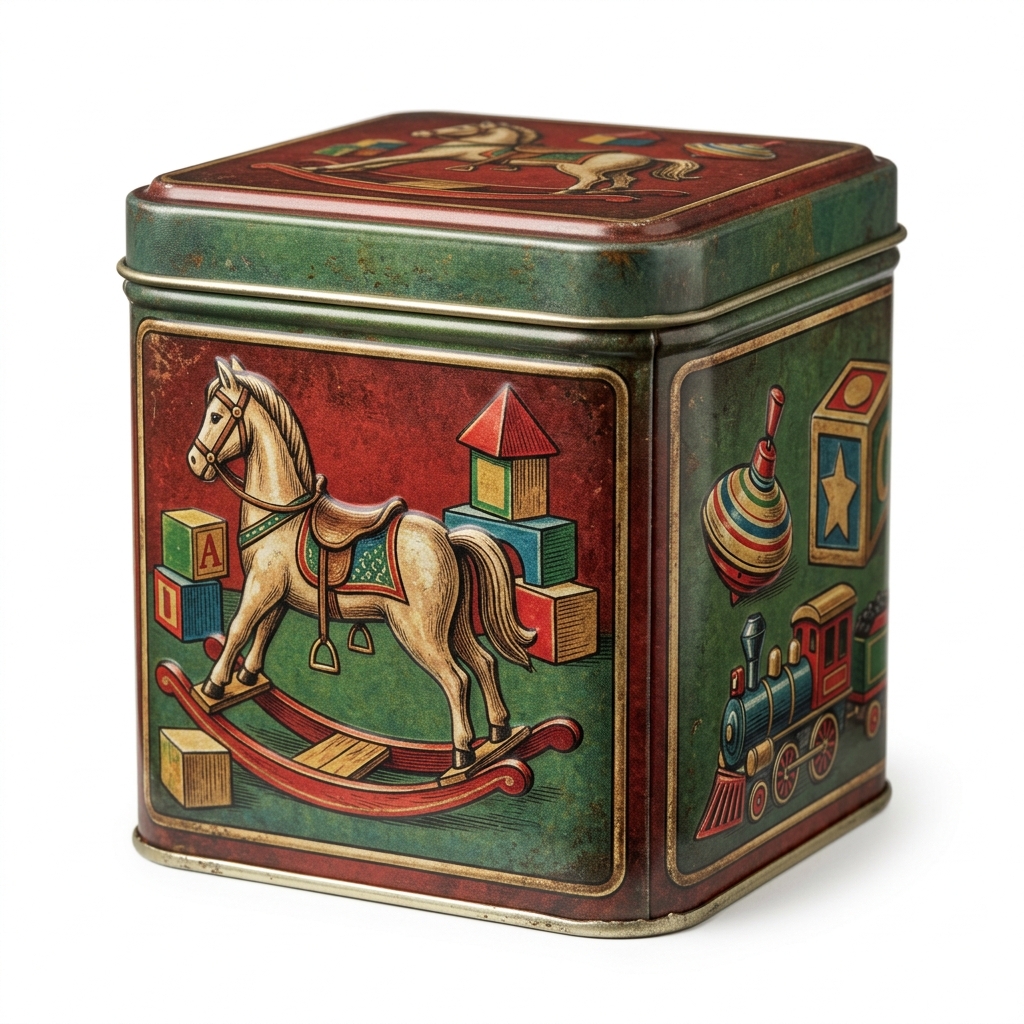
The ‘Second Life’ Strategy: Transforming Toy Gift Tins from Single-Use Packaging into Collectible Playroom Heritage Pieces
In 2026, the ‘Second Life’ Strategy redefines toy packaging by transforming premium tinplate containers into collectible heritage pieces. Moving away from single-use plastics, these 2026-standard tins offer unmatched durability, NFC-enabled digital storytelling, and modular playroom utility. Engineered with advanced metallurgy and eco-friendly coatings, they serve as a sustainable, multi-functional extension of the toy itself, fostering brand longevity and meeting global circular economy mandates.
Introduction: The 2026 Paradigm Shift in Toy Packaging
In the current landscape of 2026, the global toy industry has undergone a radical transformation. Driven by the 2026 Circular Economy Mandate and heightened consumer consciousness regarding environmental stewardship, the era of disposable, single-use plastic blister packs has officially come to an end. Leading the charge in this sustainable revolution is the ‘Second Life’ Strategy. This methodology does not merely treat packaging as a protective shell but as an integral extension of the product itself. Our premium Toy Gift Tins are engineered to transcend their initial logistical purpose, evolving into collectible playroom heritage pieces that families cherish for generations.
The Philosophy of Durability and Heritage
As we navigate through the second half of 2026, market data indicates that consumers no longer view packaging as waste. Instead, they seek ‘multi-functional containers’ that offer utility long after the unboxing experience. The ‘Second Life’ Strategy focuses on three core pillars: Structural Permanence, Aesthetic Timelessness, and Functional Versatility. By utilizing advanced metallurgical techniques available in 2026, we have developed tinplate solutions that resist oxidation and structural fatigue, ensuring that the toy box remains as pristine in 2030 as it was on the day of purchase.
[核心规格] Technical Specifications
| Feature | Technical Specification (2026 Standard) |
|---|---|
| Material Composition | Grade A Recyclable Electrolytic Tinplate (ETP) |
| Thickness Tolerance | 0.23mm – 0.35mm (±0.005mm precision) |
| Surface Coating | BPA-Free, Food-Grade Polymer Lacquer (EU 2026 Compliant) |
| Printing Technology | 12-Color High-Definition Digital Lithography with UV Curing |
| Closure Mechanism | Step-Lid Airtight Compression Fit or Integrated Hinge |
| Safety Standards | ASTM F963-26, EN71-Part 3 (2026 Revision) |
| Smart Integration | Embedded NFC/RFID Passive Tag for Provenance Tracking |
| Oxidation Resistance | Advanced Nano-Ceramic Anti-Corrosion Layer |
[产品优势] Core Advantages of the Second Life Strategy
- Unmatched Structural Integrity: Unlike cardboard or thin-walled plastics, our 2026-grade tinplate is engineered to withstand high compression forces, making it ideal for the rough-and-tumble environment of a modern playroom.
- Premium Tactile Experience: The weight and cool-to-the-touch feel of high-grade metal impart an immediate sense of value. In an increasingly digital world, these physical sensory cues are vital for brand differentiation.
- Sustainability and Carbon Neutrality: Manufactured using 100% renewable energy in our 2026-certified carbon-neutral facilities, these tins represent the pinnacle of eco-friendly packaging. They are infinitely recyclable without loss of quality.
- NFC-Enabled Digital Storytelling: Every tin produced in 2026 features an embedded NFC chip. Parents can scan the tin to access digital play guides, warranty information, and the unique manufacturing ‘heritage’ of the specific item.
- Modular Organization: Designed with the ‘Playroom Ecosystem’ in mind, our tins are stackable and modular, allowing children to use them as building blocks, treasure chests, or sophisticated storage systems for other toy components.
- High-Definition Artistry: Using 2026 lithographic technology, we achieve photo-realistic prints that are scratch-resistant and fade-proof, ensuring the artwork remains vibrant for decades.
- Safe and Non-Toxic: Our coatings exceed the 2026 Global Toy Safety Directives, ensuring zero migration of heavy metals or phthalates, providing peace of mind for parents.
[应用场景] Strategic Industry Applications
The ‘Second Life’ Toy Tin is versatile across multiple sectors of the 2026 toy market:
1. Luxury Collectible Figurines
For high-end action figures or limited-edition dolls, the tin serves as a display pedestal and a protective vault. The metallic sheen complements the craftsmanship of the toy, positioning it as a premium investment piece for collectors.
2. STEM and Educational Kits
Science and engineering kits often contain numerous small parts. The ‘Second Life’ tin provides a permanent, organized home for these components, preventing loss and encouraging long-term educational engagement. The durability ensures the kit can be passed down to younger siblings.
3. Artisan Wooden Toys
There is a growing synergy in 2026 between traditional wooden toys and metallic packaging. The contrast of natural wood against precision-engineered tin creates a ‘heritage’ feel that resonates with the ‘slow-living’ consumer demographic.
4. Interactive Board Games
Modern board games are increasingly complex. Our oversized heritage tins provide ample space for board pieces, cards, and rulebooks, replacing the fragile cardboard boxes of the past that frequently tear at the corners.
Technical Deep Dive: The Metallurgy of 2026
The secret to our ‘Second Life’ success lies in the metallurgical advancements of 2026. We utilize a specific alloy of steel coated with a micron-thin layer of tin, which is then treated with a proprietary nano-ceramic sealant. This sealant is the result of years of research into molecular adhesion, ensuring that the decorative ink bonds directly to the substrate at a microscopic level. This prevents the peeling and chipping common in lower-grade packaging from previous decades.
The WooCommerce Integration: Managing Circularity
For E-commerce operators, the ‘Second Life’ strategy offers unique opportunities within the WooCommerce ecosystem. By leveraging ‘Product as a Service’ (PaaS) plugins, brands can offer ‘Refill Subscriptions.’ Customers purchase the premium heritage tin once, and then receive subsequent toy expansions in minimal, compostable inner-packaging. This increases customer lifetime value (CLV) and aligns with the 2026 consumer preference for subscription-based sustainable models. Our tins are designed with standard dimensions to fit perfectly into the 2026 automated logistics and sorting systems used by global couriers, reducing shipping errors and costs.
Conclusion: Investing in the Future of Play
The transition from ‘packaging as waste’ to ‘packaging as heritage’ is the defining trend of the 2026 toy industry. By adopting the ‘Second Life’ strategy, manufacturers are not just selling a toy; they are providing a permanent piece of a child’s developmental history. This approach fosters deep brand loyalty, satisfies the most stringent environmental regulations of 2026, and ensures that your products stand out in a crowded digital marketplace. The future of toy packaging is metallic, durable, and eternally useful.