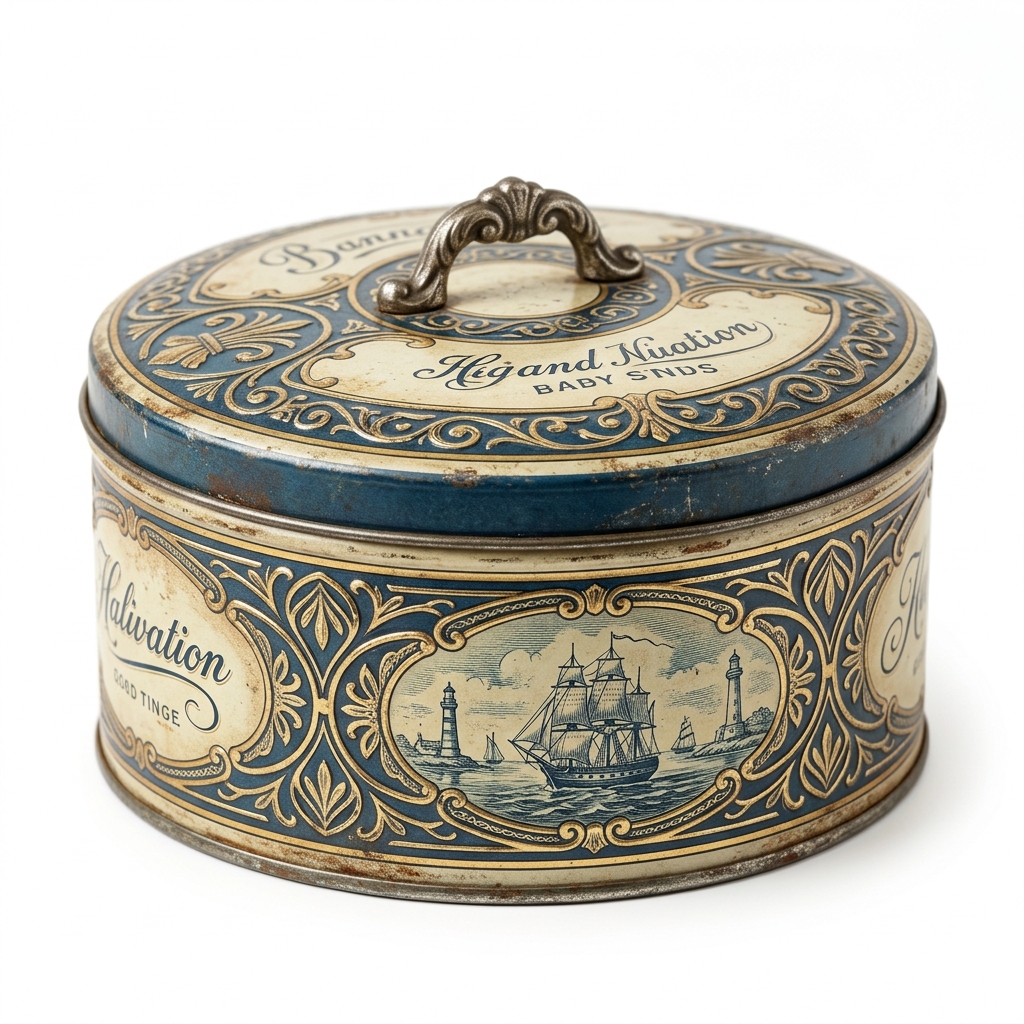
The Art of Nostalgic Packaging: Sourcing Custom Vintage Storage Tins for Premium Heritage Brands
As of 2026, premium heritage brands are revolutionizing product presentation through custom vintage storage tins. This comprehensive guide details the B2B sourcing of bespoke tinplate packaging, highlighting multi-level 3D embossing, food-grade preservation technology, and infinitely recyclable materials. Discover how nostalgic aesthetics combined with advanced manufacturing elevate brand equity and align with modern sustainability mandates.
[产品简介]
As we navigate the highly competitive and visually driven retail landscape of 2026, premium heritage brands face a complex and nuanced challenge: how to effectively communicate deep historical roots and timeless craftsmanship while simultaneously adhering to modern consumer expectations for sustainability, product safety, and unboxing excellence. The answer lies in the masterful utilization of custom vintage storage tins. Far from being mere containers, these meticulously engineered vessels represent the ultimate convergence of industrial artistry, brand storytelling, and advanced packaging science.
Custom vintage storage tins serve as highly tactile, permanent brand ambassadors. In an era where digital saturation is at an all-time high, consumers inherently crave physical touchpoints that evoke a sense of nostalgia, authenticity, and enduring quality. The psychological impact of interacting with a beautifully lithographed, heavy-gauge tin cannot be overstated. It transports the consumer to an era of bespoke craftsmanship, immediately elevating the perceived value of the product housed within. By sourcing specialized vintage-inspired tinplate packaging, B2B buyers, e-commerce operators, and brand managers can effectively differentiate their product lines, transforming a simple commodity into a highly sought-after collectible.
The sourcing and manufacturing of these custom storage tins have evolved dramatically. By 2026, the global packaging industry has perfected the delicate balance between replicating antique aesthetics—such as crackle finishes, distressed patinas, and complex structural embossings—and implementing cutting-edge, food-safe, and environmentally conscious manufacturing processes. Today’s premium tinplate is infinitely recyclable, aligning perfectly with strict global circular economy mandates, and utilizes state-of-the-art curing technologies that guarantee absolute structural integrity without the reliance on toxic heavy metals or non-renewable plastics.
This comprehensive technical overview delves deep into the specifications, unparalleled advantages, and diverse application scenarios of custom vintage storage tins. Whether you are packaging artisanal loose-leaf teas, small-batch luxury cosmetics, or limited-edition commemorative confections, understanding the precise engineering and strategic value of bespoke tinplate packaging is paramount to securing a dominant position in the premium heritage market.
[核心规格]
The manufacturing of premium custom vintage storage tins requires a rigorous adherence to technical specifications to ensure both aesthetic brilliance and functional superiority. The following specifications represent the industry-leading standards for B2B sourcing in 2026, providing a detailed framework for procurement specialists and product developers.
| Specification Category | Technical Details and Parameters |
|---|---|
| Base Material Engineering | 0.23mm to 0.35mm Prime Grade Tinplate (T1-T4 Temper), optimized for complex die-stamping without micro-fracturing. |
| Lithographic Fidelity | Advanced CMYK Offset Lithography integrated with multi-channel Pantone Matching System (PMS). High-definition resolution utilizing VOC-free, eco-compatible organic inks. |
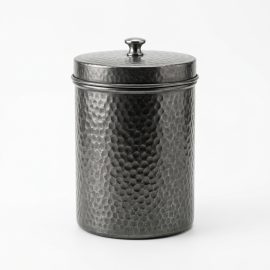
| Surface Treatment & Finishes | Proprietary vintage simulations including Matte, High-Gloss, Soft-Touch Elastomeric, Crackle Enamel, Antique Brass/Copper Patina, and Bare Metal Texturization. |
| Embossing & Debossing | Precision CNC-machined tooling enabling 3D sculptured embossing, multi-level topographic stamping, and intricate micro-embossing for superior tactile engagement. |
| Interior Barrier Coatings | Advanced food-grade internal varnishes (Gold/Clear). 100% BPA-Free, phthalate-free, and fully compliant with all 2026 FDA, European Union (EFSA), and international food safety regulations. |
| Structural & Sealing Architecture | Bespoke dimensional engineering. Closure options include Hermetic Slip Lids, Articulated Hinged Lids, Airtight Inner Plugs, Rolled-Edge Seamless forms, and integrated transparent window viewing panes. |
| Sustainability Metrics | 100% Infinitely Recyclable material matrix. Manufactured within closed-loop, zero-waste facilities. Fully compliant with 2026 global extended producer responsibility (EPR) packaging directives. |
To further contextualize these specifications, it is crucial to understand that the base material—Prime Grade Tinplate—is selected not merely for its rigidity, but for its exceptional formability. The specific temper (hardness) of the tinplate dictates the depth and sharpness of the embossing. A softer temper allows for dramatic, sculptural multi-level embossing that brings vintage logos and botanical illustrations to life, providing a tactile experience that mimics authentic antique metalwork. Furthermore, the interior barrier coatings applied in 2026 are highly advanced synthetic polymers that prevent any chemical interaction between the metal substrate and the internal contents, ensuring that sensitive organic products remain perfectly preserved without metallic contamination.
[产品优势]
Investing in custom vintage storage tins offers a multitude of strategic, operational, and marketing advantages that directly contribute to increased market share and enhanced consumer loyalty. The following core advantages highlight why premium heritage brands are rapidly transitioning toward this packaging medium.
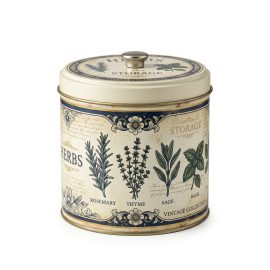
- Unparalleled Sculptural Embossing and Tactility: The true hallmark of premium vintage packaging is its physical texture. Utilizing advanced 2026 CNC die-cutting and stamping technology, these tins can feature multi-layered, 3D sculptured embossing. This allows brand insignias, intricate border designs, and historic typography to physically rise from the surface of the tin. This high-fidelity tactile feedback triggers a profound psychological response, signaling luxury, permanence, and meticulous attention to detail to the end consumer.
- Advanced Eco-Lithographic Fidelity: Recreating an authentic vintage aesthetic requires master-level printing techniques. Modern offset lithography allows for the precise application of specialized inks that mimic the faded, sun-drenched, or patinated look of antique containers. More importantly, the inks utilized in 2026 are highly advanced, VOC-free organic compounds. This ensures that the beautiful, nostalgic visuals are achieved without compromising modern environmental standards or risking the off-gassing of toxic chemicals often associated with legacy printing methods.
- Hermetic Sealing for Ultimate Preservation: Beyond aesthetics, the primary function of packaging is product protection. Custom vintage tins can be engineered with precision-rolled edges, airtight inner plug lids, or silicone-gasket seals. This creates a micro-environment that completely isolates the internal product from external degradative factors such as ultraviolet (UV) light degradation, oxygen ingress, and moisture fluctuations. This hermetic sealing technology is vital for extending the shelf life of volatile, premium goods.
- Infinite Recyclability and Circular Economy Integration: As regulatory bodies globally enforce the strict 2026 mandates against single-use plastics and non-recyclable composites, tinplate emerges as the ultimate sustainable solution. Tinplate is a permanent material; it can be recycled an infinite number of times without any loss of structural integrity or quality. By sourcing custom tin packaging, brands inherently future-proof their operations against tightening environmental legislation while appealing to the rapidly growing demographic of eco-conscious luxury consumers.
- Corrosion Resistance and Generational Longevity: The vintage appeal does not mean the packaging should actually degrade. Through the application of microscopic, advanced polymer varnishes on both the interior and exterior surfaces, these tins are rendered highly resistant to rust, oxidation, and corrosive environmental elements. This remarkable durability ensures that the packaging survives long after the initial product has been consumed, transitioning the tin from a mere container into a permanent household artifact.
- Brand Differentiation Through Collectibility and Second-Life Utility: Unlike cardboard or plastic packaging, which is immediately discarded, a beautifully crafted vintage storage tin possesses immense secondary value. Consumers routinely repurpose these tins for domestic storage, displaying them on kitchen counters, vanity desks, or bookshelves. This phenomenon transforms the packaging into a permanent, highly visible billboard within the consumer’s home. The collectibility aspect also drives repeat purchases, as brands release sequential, limited-edition tin designs that consumers eagerly seek to complete their collections.
- Agile B2B Sourcing and Manufacturing Flexibility: The B2B supply chain for custom tinplate in 2026 is remarkably agile. Advanced automated tooling and digital workflow integrations allow manufacturers to offer rapid prototyping, dramatically reducing the lead time from initial conceptualization to physical sample production. Furthermore, scalable manufacturing processes accommodate a wide variance in Minimum Order Quantities (MOQs), enabling heritage brands to execute highly targeted, small-batch seasonal campaigns without committing to massive inventory overheads.
[应用场景]
The versatility, protective qualities, and aesthetic gravitas of custom vintage storage tins make them the ideal packaging solution across a diverse array of premium retail sectors. The following application scenarios demonstrate how different industries leverage this packaging architecture to maximize brand impact in the 2026 marketplace.
1. Premium Artisanal Tea and Specialty Coffee Roasters
The tea and coffee industries are profoundly reliant on product freshness and brand storytelling. Volatile essential oils within coffee beans and delicate aromatic compounds in loose-leaf teas degrade rapidly when exposed to light and oxygen. Hermetically sealed vintage tins provide an impenetrable barrier against these elements. From an aesthetic standpoint, ornate, botanically embossed tins instantly communicate a heritage of global exploration, artisanal harvesting, and historic trade routes, aligning perfectly with the narrative of premium, single-origin botanical products.
2. Luxury Confectionery, Chocolatiers, and Biscuit Manufacturers
The tradition of the beautifully decorated biscuit or chocolate tin is deeply ingrained in global consumer culture, particularly concerning holiday gifting and seasonal celebrations. In 2026, luxury chocolatiers and confectioners utilize custom vintage tins to elevate their products into the realm of high-end corporate gifts and premium retail centerpieces. The rigid structure protects delicate confections from crushing during global transit, while finishes such as soft-touch matte or high-gloss crackle enamel transform a box of chocolates into a luxurious, highly desirable keepsake.
3. High-End Men’s Grooming, Apothecary, and Cosmetics
The resurgence of the classic barbershop aesthetic and vintage apothecary branding continues to dominate the premium personal care market. Custom shallow-draw tinplate containers are the industry standard for packaging solid colognes, organic beard balms, traditional pomades, and specialized cosmetic salves. The metallic tactility, combined with precise debossing of brand crests and historic typographic elements, perfectly encapsulates a rugged, timeless masculinity and an adherence to traditional, small-batch formulating practices.
4. Limited Edition Commemorative Merchandise and Museum Retail
For cultural institutions, museums, and brands celebrating major historical anniversaries, custom vintage tins serve as the ultimate medium for commemorative merchandise. Whether housing a limited-edition watch, a specialized deck of playing cards, or premium stationery, the tin itself becomes a core part of the product’s value proposition. By utilizing exact Pantone color matching and historical graphic reproductions, institutions can offer highly authentic, museum-quality souvenirs that consumers will preserve for decades.
5. Sustainable Home Fragrance and Luxury Candle Vessels
As the home fragrance market pivots aggressively away from heavy, fragile glass and unsustainable composites, heat-resistant vintage tins have become a premier vessel choice for luxury poured candles. The tinplate easily withstands the thermal dynamics of burning wax, while the inclusion of a tightly fitting lid perfectly preserves the volatile fragrance load when the candle is not in use. A beautifully printed vintage tin adds a rustic, comforting visual element to interior decors, blending seamlessly into the 2026 trend of warm, nostalgic home styling.