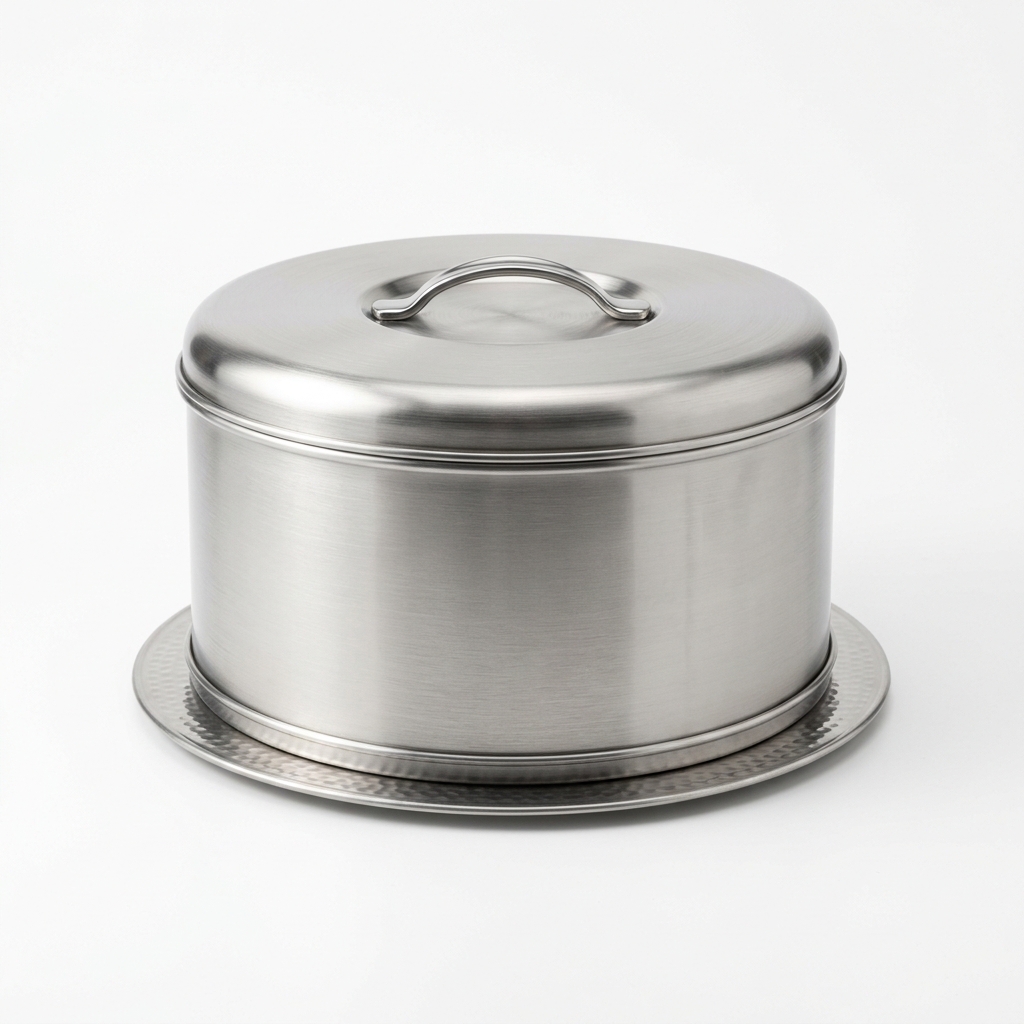
Beyond the Bakery Display: Sourcing Rust-Proof Storage Tins for Cakes to Maximize Shelf Life and Retail Appeal
Discover the ultimate guide to sourcing premium, rust-proof cake storage tins in 2026. This comprehensive technical analysis explores metallurgical advancements, food-grade lacquer applications, and the science of shelf-life extension. Learn how superior tinplate packaging enhances brand perception, ensures strict global food safety compliance, and optimizes e-commerce logistics for high-end bakeries.
[Product Introduction]
Welcome to the pinnacle of modern bakery packaging engineering. As we navigate the highly competitive and globally interconnected retail landscape of June 2026, the imperative for sustainable, high-performance packaging has never been more pronounced. The era of flimsy, single-use plastics and easily degradable cardboard is rapidly concluding, driven by stringent global environmental regulations and a discerning consumer base that demands both ecological responsibility and premium aesthetics. In this context, sourcing rust-proof storage tins for cakes has emerged as a strategic imperative for bakeries, master confectioners, and large-scale food distributors aiming to maximize both product shelf life and retail appeal.
The engineering challenges associated with packaging baked goods are notoriously complex. Cakes, particularly artisanal fruitcakes, pound cakes, and moisture-rich sponges, represent a delicate matrix of fats, sugars, and high water activity (Aw). When sealed within an enclosed micro-environment, this moisture migrates, creating a highly corrosive atmosphere that can cause traditional untreated metals to rapidly oxidize. Rust not only destroys the structural integrity of the packaging but also compromises food safety, introducing metallic tainting and severe microbial risks that can instantly dismantle a brand’s reputation. To combat this, the packaging industry in 2026 has perfected the utilization of advanced electrolytic tinplate (ETP) combined with cutting-edge, food-grade internal lacquering systems. These rust-proof solutions act as an impenetrable fortress against moisture, oxygen, and ultraviolet light, preserving the delicate organoleptic properties of the cakes while delivering a tactile, premium unboxing experience that modern e-commerce and direct-to-consumer (DTC) brands require.
For operators leveraging platforms like WooCommerce to scale their DTC bakery empires, the integration of premium rust-proof tins transcends mere preservation; it is a fundamental conversion optimization strategy. High-ticket bakery items require packaging that justifies their premium positioning. The robust nature of these tins radically reduces transit damage rates, optimizing the logistics chain from warehouse to the customer’s doorstep. This comprehensive analysis delves into the technical metallurgy, sourcing protocols, and retail advantages of rust-proof cake tins, providing a definitive roadmap for brands seeking to elevate their packaging architecture in 2026 and beyond.
[Core Specifications]
When sourcing rust-proof cake tins, rigorous attention to metallurgical and chemical specifications is mandatory. The following table outlines the foundational technical parameters required to ensure absolute corrosion resistance and food safety compliance in the 2026 regulatory environment.
| Specification Parameter | 2026 Industry Standard Value | Technical Justification and Impact |
|---|---|---|
| Substrate Material | Grade-A Electrolytic Tinplate (ETP) / Tin-Free Steel (TFS) | Provides superior tensile strength and a flawless surface for advanced lithographic printing and protective coatings. |
| Base Steel Thickness | 0.23mm – 0.28mm (Tolerance ±0.01mm) | Ensures high structural rigidity to prevent denting during global e-commerce logistics, optimizing volumetric shipping. |
| Tin Coating Weight | 2.8/2.8 g/m² to 5.6/5.6 g/m² | Creates the primary sacrificial barrier against oxidation. Higher weights are utilized for exceptionally high-moisture bakery products. |
| Internal Lacquer System | BPA-NI (Non-Intent) Epoxy-Phenolic or Organosol | Acts as the ultimate barrier between the moist cake and the metal. Prevents any chemical migration and ensures zero rust formation. |
| External Finish | UV-Cured Varnish / Matte Polyurethane | Protects external branding from scratching, fading, and ambient moisture, ensuring a pristine retail presentation. |
| Sealing Mechanism | Deep-Drawn Seamless Base / Rolled-Edge Friction Fit | Seamless bases eliminate corner micro-fractures where rust typically initiates. Friction lids provide an optimal oxygen barrier. |
| Regulatory Compliance | ISO 22000:2026, FDA Title 21, EFSA 2026 Directives | Guarantees that the packaging meets the strictest global mandates for food-contact materials, enabling frictionless international export. |
[Product Advantages]
Transitioning to engineered rust-proof tinplate packaging offers multifaceted benefits that extend from the manufacturing floor to the final consumer experience. Below are the core advantages that make this packaging format indispensable.
- Advanced Multi-Layer Anti-Corrosion Technology: The true power of modern rust-proof tins lies in their layered defense architecture. Beneath the surface, an iron substrate is coated with a microscopic tin alloy layer, followed by a free tin layer, a specialized passivation film, and finally, a state-of-the-art food-grade internal lacquer. This synergistic mechanism guarantees that even cakes with exceptionally high water activity will not induce oxidation over an extended 12-to-18-month shelf life.
- Absolute Impermeability and Barrier Performance: Unlike bioplastics or reinforced cardboard, rust-proof tinplate offers a Water Vapor Transmission Rate (WVTR) and Oxygen Transmission Rate (OTR) of absolute zero. This hermetic environment completely halts lipid oxidation (rancidity) in butter-heavy cakes and prevents staling by locking in the baked good’s native moisture content.
- Elevated Retail Aesthetic and Sensory Unboxing: In the highly visual realm of 2026 digital commerce, the packaging is the primary physical touchpoint for DTC brands. Rust-proof tins support high-definition lithographic printing, multi-level 3D embossing, and holographic foil stamping. The cool, substantial feel of the metal conveys immediate luxury, allowing brands to command higher market positioning and foster intense customer loyalty.
- Supply Chain Resilience and Structural Integrity: E-commerce logistics subject packages to immense stress. Rust-proof tins are engineered for extreme crush resistance. Their standardized dimensions optimize warehousing pallet configurations and algorithmic volumetric weight calculations for WooCommerce automated shipping extensions, drastically reducing the carbon footprint and financial overhead of last-mile delivery.
- Uncompromising Food Safety and Chemical Stability: Utilizing BPA-NI (Bisphenol A Non-Intent) internal lacquers ensures that the packaging is entirely inert. There is zero risk of chemical leaching, endocrine disruptor migration, or olfactory transfer. The delicate vanilla, citrus, or chocolate notes of the gourmet cake remain entirely uncompromised from the bakery oven to the consumer’s palate.
- Infinite Recyclability in a Circular Economy: As global mandates enforce zero-waste corporate policies, rust-proof tinplate stands out as a permanently sustainable material. Steel and tin can be recycled infinitely without any degradation in molecular structure or physical performance. Utilizing these tins allows bakery brands to confidently market their alignment with 2026 global sustainability and circular economy targets.
- Modularity and Secondary Utility: Beyond the initial consumption of the cake, premium rust-proof tins offer immense secondary utility. Consumers repurpose these aesthetic containers for household storage, transforming the packaging into a permanent, zero-cost branding asset that resides in the customer’s home for decades, ensuring continuous brand recall.
[Application Scenarios]
The versatility and high-performance nature of rust-proof storage tins make them the preferred packaging architecture across a wide spectrum of specialized commercial environments.
Direct-to-Consumer (DTC) Artisanal Bakeries: For boutique bakeries operating high-converting WooCommerce storefronts, the unboxing experience is critical for generating organic social media marketing. Rust-proof tins protect fragile cakes during complex postal journeys, ensuring the product arrives in gallery-ready condition. The premium nature of the tin allows these bakeries to bundle products and increase the average order value (AOV) significantly.
High-Humidity Tropical Markets: In geographical regions where ambient relative humidity routinely exceeds 85%, traditional porous packaging acts as a sponge, leading to rapid fungal growth on baked goods and immediate structural collapse of the box. Rust-proof tins act as an impenetrable fortress, making them the only viable long-term retail packaging solution for premium bakeries operating in or exporting to tropical and subtropical climates.
Travel Retail and Duty-Free Concessions: The global travel retail sector demands products that possess extended shelf lives and project absolute luxury. Rust-proof cake tins are a staple in international airport duty-free zones and luxury cruise line boutiques. The hermetic seal protects the cakes from the aggressively dry, pressurized air of commercial aviation, while the metallic finish captures the attention of high-net-worth impulse buyers.
Corporate Gifting and B2B Client Merchandising: During peak seasonal holidays, large corporations require highly standardized, premium gifts for client appreciation. Custom-lithographed rust-proof tins containing gourmet cakes serve as the ultimate corporate gesture. The structural integrity of the tins ensures flawless presentation upon delivery to corporate headquarters, while the customized exterior provides long-lasting brand synergy between the gifting company and the recipient.
Long-Term Emergency Gourmet Storage: A rapidly expanding niche in 2026 is the premium emergency preparedness market. Discerning consumers are no longer satisfied with standard survival rations; they demand morale-boosting gourmet products. Rust-proof tins, when combined with oxygen absorbers and nitrogen flushing techniques, can extend the shelf life of highly dense, low-moisture fruitcakes for over half a decade, making them a premium addition to long-term luxury food reserves.