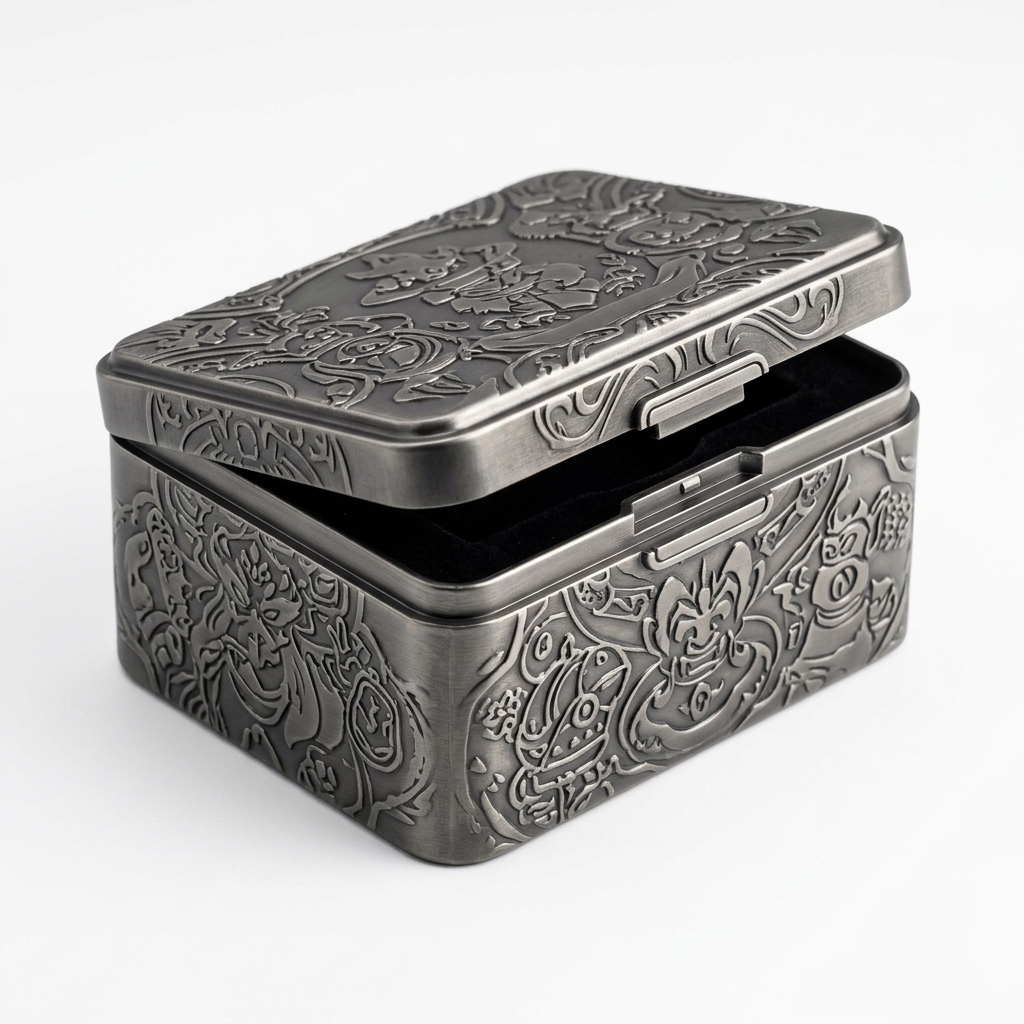
Unboxing the ‘Forever Value’: How Tactile-Embossed Metal Packaging is Redefining Collectibility for High-End Indie Toy Labels
In 2026, the high-end indie toy market is being revolutionized by tactile-embossed metal packaging. This deep-dive exploration examines how 3D micro-nano relief technology and sustainable metal alloys are replacing traditional paperboard to create ‘Forever Value.’ From enhanced structural protection to multi-sensory unboxing experiences, learn why metal is the essential choice for premium designer labels seeking to dominate the global collectibles sector and ensure long-term brand prestige.
[Product Introduction]
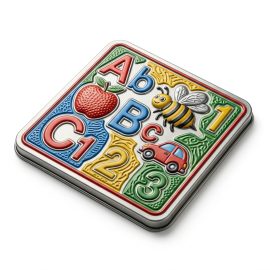
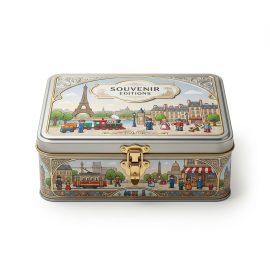
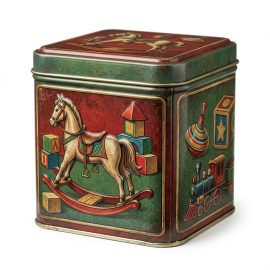
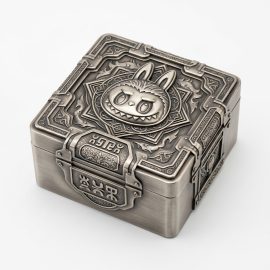
In the vibrant and rapidly evolving landscape of 2026, the high-end indie toy market has undergone a seismic shift. Collectors are no longer satisfied with the ephemeral nature of cardboard boxes or the disposability of plastic clamshells. As we move deeper into the second half of the decade, the concept of ‘Forever Value’ has emerged as the primary driver for premium acquisitions. At the heart of this movement is tactile-embossed metal packaging—a sophisticated fusion of metallurgical engineering and artistic expression. This isn’t just a container; it is an extension of the artwork itself, designed to preserve the integrity of limited-edition designer figures while providing a sensory experience that paper-based solutions simply cannot replicate. By utilizing advanced 3D micro-nano embossing techniques, indie labels are now able to offer a physical weight and texture that signals prestige and permanence, effectively turning the packaging into a secondary collectible that appreciates in value alongside the toy it protects.
[Core Specifications]
| Feature | Technical Specification (2026 Standard) |
|---|---|
| Material Composition | Grade A Prime Electrolitic Tinplate / Sustainable Aluminum Alloy |
| Thickness Range | 0.23mm to 0.38mm (Customizable based on structural requirements) |
| Embossing Technology | Multi-Level 3D Relief & Micro-Texture Nano-Laser Engraving |
| Printing Method | 8-Color High-Definition Offset Printing with UV Curing |
| Coating Options | Food-Grade BPA-NI, Matte Tactile Varnish, Pearlescent Gloss |
| Closure Systems | Precision-Fit Friction Lids, Hermetic Gaskets, or Hinged Security Latches |
| Environmental Compliance | 100% Recyclable; Carbon-Neutral Manufacturing Certification Available |
| Internal Protection | Laser-Cut Bio-Based Foam Inserts or Molded Pulp Stabilizers |
[Product Advantages]
- Enhanced Structural Integrity: Unlike traditional paperboard, metal packaging provides superior protection against crushing, moisture, and UV radiation, ensuring that the high-value toy remains in ‘mint condition’ for decades.
- Multi-Sensory Brand Interaction: The tactile-embossed finish creates a haptic feedback loop. When a collector touches the raised patterns and intricate textures, it reinforces the perceived value and craftsmanship of the indie label.
- Sustainability and Circularity: In 2026, ESG (Environmental, Social, and Governance) compliance is mandatory for global trade. Metal is infinitely recyclable, offering a much lower long-term environmental footprint compared to high-gloss laminated paper.
- Counterfeit Deterrence: Advanced embossing techniques combined with serialized laser engraving on the metal surface make it extremely difficult for counterfeiters to replicate, protecting the brand’s intellectual property.
- Secondary Market Premium: Statistical analysis of 2026 auction trends shows that indie toys housed in premium metal canisters command a 25-40% higher resale value due to the preservation of the ‘Unboxing Experience.’
- Thermal Stability: Metal provides a stable micro-climate for sensitive materials like soft vinyl or hand-painted resin, preventing warping or pigment degradation during long-distance international shipping.
[Application Scenarios]
The application of tactile-embossed metal packaging extends across several high-growth niches within the 2026 global collectibles market. Firstly, it is the gold standard for Limited Edition Designer Drops, where production runs are limited to fewer than 500 units. In these cases, the packaging often features serialized numbering embossed directly into the lid, creating a unique identity for every piece. Secondly, it is increasingly used for Subscription Box Exclusives. As high-end labels seek to maintain long-term loyalty, the delivery of a premium metal container serves as a monthly ritual that collectors look forward to, often stacking or displaying the tins as a modular art wall. Additionally, the International Convention Circuit has seen a surge in metal-packaged exclusives; the durability of the material makes it the ideal ‘travel companion’ for collectors who purchase items at global events and need them to survive the journey back across continents without a single dent. Finally, we see significant adoption in Collaborative IP Crossovers, where luxury fashion houses and indie toy designers merge aesthetics. The high-fidelity printing capabilities on metal allow for the reproduction of complex textures like leather grain, carbon fiber, or brushed silk, bridging the gap between toy culture and high-street luxury.
[Deep Dive: The Engineering of Tactile Prestige]
The manufacturing process in 2026 has moved far beyond simple stamping. Current technology utilizes high-pressure hydraulic systems that can achieve relief depths of up to 5mm without compromising the structural integrity of the tinplate. This ‘Deep Draw’ capability allows for the creation of 3D sculptural elements on the box lid that mirror the physical attributes of the toy inside. Furthermore, the integration of Micro-Nano Texturing allows designers to play with light refraction. By altering the surface at a microscopic level, we can create holographic effects or ‘shimmer’ finishes that react to the movement of the collector’s hand, all without the use of environmentally harmful plastic films or glitters.
From an operational perspective for WooCommerce and Shopify-based indie brands, the transition to metal packaging also optimizes logistics. While the initial material cost is higher than paper, the reduction in damage-related returns and the ability to charge a premium for ‘Special Edition’ packaging results in a significantly healthier bottom line. In the current 2026 market, the ‘packaging is the product’ philosophy is no longer a luxury—it is a requirement for any brand aiming to achieve ‘Forever Value’ status in the hearts and shelves of collectors worldwide.