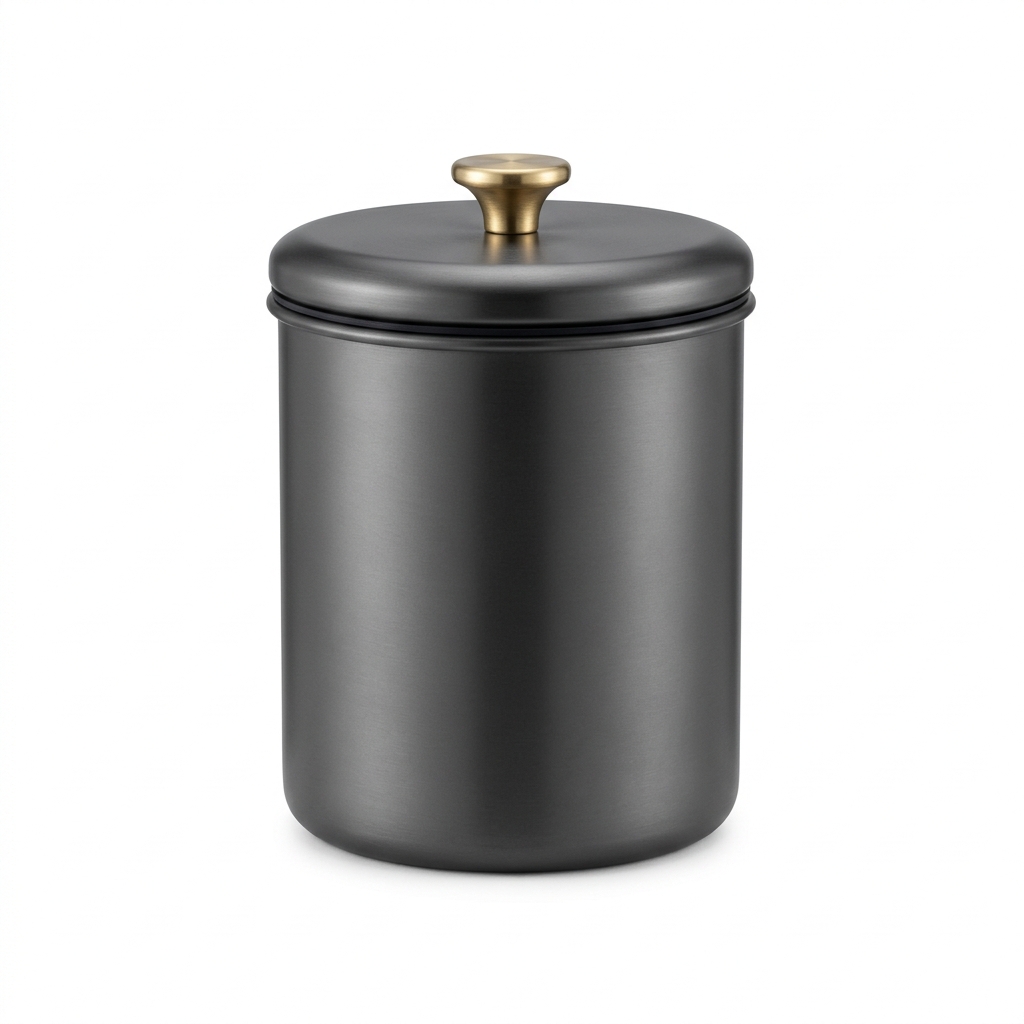
The Anti-Rust Revolution: Sourcing Food-Grade Kitchen Storage Tins with Lids for Premium Home Brands
Discover how the 2026 anti-rust revolution in food-grade kitchen storage tins is transforming premium home brands. This comprehensive guide explores advanced electrolytic tinplate, BPA-NI coatings, airtight sealing technologies, and strict global compliance standards essential for sourcing high-end, durable kitchenware.
Introduction: The New Era of Premium Kitchen Storage
In the highly competitive home goods landscape of 2026, premium home brands are facing a fundamental shift in consumer expectations. The modern consumer no longer views kitchen storage as merely utilitarian. Instead, it is seen as an extension of interior design, a statement of environmental responsibility, and a critical component of food preservation and safety. While plastics face regulatory crackdowns and glass remains heavy and fragile, metal packaging—specifically premium food-grade tinplate—has emerged as the material of choice for luxury and high-end home brands.
However, the historically persistent Achilles’ heel of metal kitchenware has always been corrosion. In humid kitchen environments, near sinks, stoves, and steam, standard tin containers are prone to rust, compromising both structural integrity and food safety. The year 2026 marks the peak of the Anti-Rust Revolution. Through breakthrough metallurgical treatments, advanced organic polymer coatings, and precision-engineered sealing mechanisms, manufacturers have unlocked a new generation of kitchen storage tins that offer complete rust resistance, pristine food-grade compliance, and timeless aesthetic appeal. This comprehensive guide serves as a technical blueprint for procurement managers, product developers, and brand owners looking to source the highest quality food-grade kitchen storage tins with lids.
Product Introduction
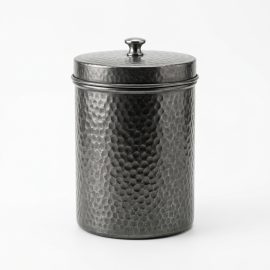
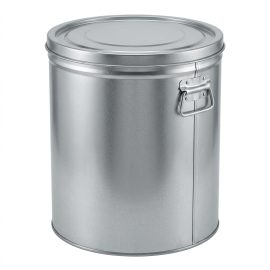
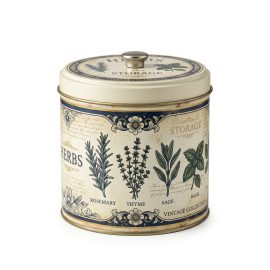
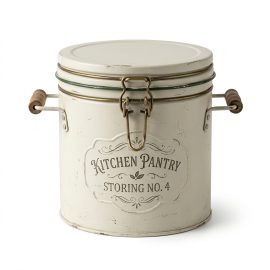
Our premium series of Anti-Rust Food-Grade Kitchen Storage Tins with Lids represents the absolute pinnacle of contemporary container engineering. Specifically developed for high-end home, kitchenware, and specialty food brands, these containers are fabricated from ultra-purified Electrolytic Tinplate (ETP) and coated with next-generation BPA-NI (BPA Non-Intent) barrier lacquers. Designed to withstand the rigorous moisture, salinity, and temperature fluctuations of modern residential kitchens, these tins feature custom-engineered lids with food-grade silicone gaskets that guarantee airtight, hermetic sealing. Whether utilized for dry pantry staples, artisanal coffee, delicate loose-leaf teas, or luxury confections, our storage tins provide an impenetrable shield against oxidation, humidity, and external contaminants, ensuring that your brand’s commitment to quality is reflected in every detail.
Core Specifications
Below are the detailed technical specifications and compliance baselines for our standard premium storage tin product line. Custom dimensions and shapes (oval, rectangular, octagonal) are fully supportable under our advanced OEM/ODM manufacturing protocols.
| Technical Parameter | Specification Detail | Compliance & Standards |
|---|---|---|
| Substrate Material | First-grade Electrolytic Tinplate (ETP) according to EN 10202 standards | ASTM A623 / A623M equivalent |
| Material Temper | T2, T3, or Single Reduced (SR) for optimal tensile strength and shaping elasticity | Ensures no denting or warping during shipping |
| Tin Coating Mass | Equally or differentially coated at 2.8/2.8 g/m² up to 5.6/5.6 g/m² | Ensures robust primary corrosion resistance |
| Internal Lining (Lacquer) | Advanced Organosol or Polyester-based BPA-NI (BPA Non-Intent) coating | FDA Title 21 CFR 175.300, EU Regulation No 10/2011 |
| External Coating & Print | Food-safe CMYK/Pantone offset lithography + Protective matte/gloss varnish | Non-toxic, high-temperature resistant, UV-curable inks |
| Lid Configuration | Precision-fit push-on, slip-lid, or swing-clamp closures with integrated gaskets | Airtight, hermetic sealing systems |
| Gasket Material | High-density, platinum-cured food-grade silicone rubber | LFGB (German Food and Feed Code) and FDA certified |
| Corrosion Resistance Rating | Grade 10 (No rust observed after 72-hour continuous salt spray chamber test) | ASTM B117 / ISO 9227 standards |
| Available Capacities | 250ml, 500ml, 1000ml, 1500ml, 2500ml, and bespoke sizes | Designed for standard dry food weights (e.g., 250g/500g coffee beans) |
Product Advantages
To successfully capture the high-end market segment, a product must excel in both performance metrics and user experience. Our anti-rust kitchen storage tins leverage cutting-edge material science to deliver outstanding benefits:
- Advanced Multi-Layer Corrosion Resistance: Utilizing a multi-tier protective barrier comprising the core steel plate, a passivated chrome/tin oxide film, a pure tin layer, and an outermost high-performance polymeric lacquer. This structural synergy successfully eliminates the risk of oxidization and rust, even in high-humidity kitchen environments.
- Strict BPA-NI Interior Compliance: Adhering to the stringent global health directives of 2026, the interior surfaces are finished with Bisphenol-A Non-Intent (BPA-NI) food-grade resins. This ensures zero chemical migration, absolute flavor neutrality, and complete safety for storing organic and acidic ingredients.
- Flawless Hermetic Sealing Performance: Equipped with precision-molded, platinum-cured silicone gaskets that form an airtight seal. This locks in freshness, prevents moisture ingress, and retains volatile aromas of high-value goods like specialty coffee beans and premium loose teas.
- Superior Structural Durability: Engineered with reinforced rolled-edge rims and double-seam bases, providing exceptional physical resistance to deformation, crushing, and drop impacts, outlasting standard glass and ceramic alternatives.
- Sophisticated Customization Capabilities: Supports high-definition offset lithographic printing, tactile micro-embossing, de-bossing, spot-UV, and premium metallic/matte finishes that allow premium brands to project a high-value, bespoke aesthetic.
- 100% Infinitely Recyclable Material: Tinplate remains one of the world’s most recycled and circular packaging substrates. Choosing our tin containers highlights your brand’s alignment with international 2026 circular economy and sustainability mandates.
- UV and Light Protection: The opaque nature of tinplate provides a total barrier against light degradation, preserving the nutritional value, color, and delicate chemical profiles of stored botanicals, oils, spices, and tea leaves.
Application Scenarios
The versatility of our premium storage tins makes them an ideal choice for diverse high-end lifestyle, retail, and hospitality applications:
1. Luxury Tea and Specialty Coffee Brands
Premium coffee roasters and tea houses require packaging that acts as a true vault. Oxidation and light exposure are the primary catalysts for flavor degradation. Our airtight, light-blocking tins preserve the fragile volatile oils of single-origin coffee beans and delicate green or white teas, presenting them in a container that commands shelf-presence and consumer loyalty.
2. Organic Dry Pantry Storage & High-End Home Organization
Modern minimalist kitchen designs demand cohesive, durable, and highly functional storage solutions. Our anti-rust tins, when customized in neutral, matte tones, serve as elegant, reusable pantry canisters for bulk ingredients, grains, artisanal flours, and superfoods, replacing messy single-use plastics.
3. Gourmet Bakery & Fine Confectionery
For luxury biscuits, chocolates, truffles, and seasonal baked goods, our tins provide a pristine micro-environment that maintains crispness and prevents moisture absorption. The premium tactile finish elevates the product from a simple food item to a memorable, gift-worthy experience.
4. Premium Herbs, Spices, and Botanicals
High-value culinary herbs and botanical blends are highly sensitive to moisture and mold. The advanced hermetic sealing of our tinplate containers prevents clumping, degradation, and loss of potency, ensuring chefs and home cooks experience the ingredients at their peak freshness.
Deep Dive: The Metallurgy of 2026 Anti-Rust Technology
To truly appreciate the engineering behind these kitchen storage tins, one must look at the microscopic structural changes that have defined the anti-rust revolution. In the past, basic tin cans relied solely on a thin layer of tin plating to protect the underlying carbon steel. While effective in dry conditions, any micro-scratch or exposure to water vapor initiated galvanic corrosion, leading to unsightly and unsafe orange rust.
The 2026 standard for premium metal kitchenware demands a multi-tiered defense system:
1. Ultra-Pure Steel Substrate and Optimized Tin Passivation
The foundation is a low-carbon steel core processed through advanced cold-rolling mills to guarantee uniform thickness and density. During the electrolytic tinning process, the tin is applied with microscopic precision. Immediately following this, the tinplate undergoes an advanced chemical passivation process using eco-friendly, non-chrome solutions. This process creates a thin, stable oxide film that dramatically increases the natural corrosion resistance of the metal surface.
2. Cross-Linked Polymer Barrier Lacquers
The final and most crucial line of defense is the interior and exterior organic coating. Standard tins often use low-cost varnishes that crack under thermal expansion or physical denting. Our premium canisters employ high-molecular-weight cross-linked polymer coatings (such as organosols or high-performance polyesters). When baked in state-of-the-art curing ovens, these molecules form a highly dense, flexible, and impenetrable net over the tin surface. This elastic barrier bends without micro-cracking when the tin is shaped, embossed, or dropped, keeping the steel core entirely insulated from corrosive elements.
Sourcing and Quality Control Guidelines for B2B Buyers
When sourcing food-grade kitchen storage tins for high-end home brands, quality control cannot be compromised. Below is a checklist for procurement teams to ensure they are partnering with a qualified manufacturer:
- Request a Cross-Hatch Adhesion Test Report: Ensure the internal food-grade coating does not peel or flake under stress. The manufacturer should perform cross-hatch testing (such as ASTM D3359) to verify superior lacquer adhesion.
- Verify BPA-NI Certification: Ask for independent laboratory test reports (SGS, TÜV Rheinland, or Intertek) verifying that the interior coating is free from Bisphenol-A and other regulated bisphenols, meeting the strict standards required by the global market.
- Conduct Salt Spray Testing (ISO 9227 / ASTM B117): Premium kitchen storage containers must survive at least 48 to 72 hours under continuous salt spray without exhibiting any signs of red rust or blistering. This ensures years of trouble-free use in humid coastal or kitchen environments.
- Inspect the Seaming and Curled Edges: Ensure the top rim (curl) is tight and free from sharp burrs, protecting the end-consumer from cuts. The bottom seam should be a perfect double-seam with integrated sealant to prevent any structural micro-gaps.